


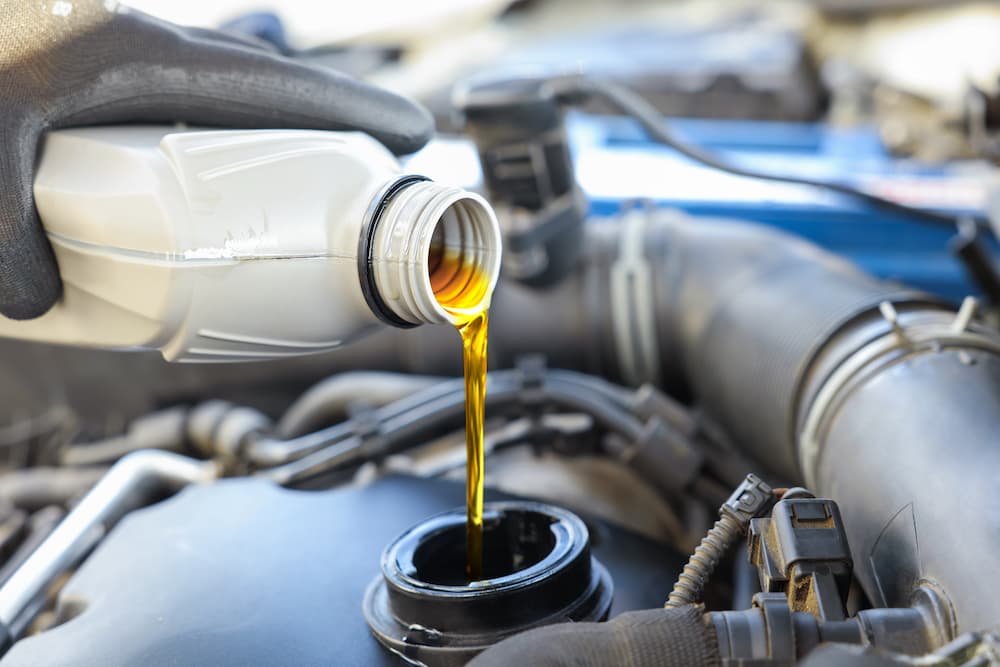
Most GMC vehicles require an oil change every 7,500 miles or 12 months, depending on driving habits and model year. Your vehicle’s Oil Life Monitor tracks engine conditions and will alert you when it’s time for service. Regularly changing your oil helps maintain engine performance, improve fuel efficiency, and extend the life of your GMC.
When using the recommended Dexos1 Full Synthetic oil, your GMC needs an oil change every 7,500 miles or 12 months, whichever comes first. This is the baseline recommendation from GMC’s sophisticated Oil Life Monitor system, which uses multiple data points to determine optimal oil change intervals. However, because the system is tailored to your unique vehicle and driving habits, that recommendation may change.
Most GMC owners can safely follow their vehicle’s Oil Life Monitor, which provides an oil life indicator on the dashboard. It replaces outdated and arbitrary mileage replacement schedules with an intelligent system that analyzes your vehicle’s conditions in real time, including engine temperatures, load, RPM patterns, and trip lengths, to provide personalized oil change timing.
When to Get an Oil Change
To read your Oil Life Monitor recommendation, simply look at the percentage displayed on your dashboard for the oil life. As the oil life begins to lower, the system will send a “Change Engine Oil Soon” message, indicating that it’s time for service. Because it’s a tailored result, you’ll never spend money on an oil change you didn’t need or let your engine go without lubrication.
The Basics
Mileage intervals vary by oil type and driving conditions. By default, the 7,500 miles recommended by GMC is a good guess. However, severe driving can cut this number in half. The use of conventional oil, which has inferior thermal stability compared to synthetic oil, can also drastically decrease the number of miles you can go without an oil change.
GMC engines are designed with Dexos1-approved synthetic oil in mind. It’s specially formulated to handle the advanced technologies in a modern GMC engine, such as Gasoline Direct Injection (GDI) and turbocharging. Using the correct oil not only keeps your engine safe but also keeps your warranty valid.
Other Factors That Affect the Lifespan of Your GMC’s Oil
Let’s take a deeper look at the factors that can impact the lifespan of your GMC’s oil.
Vehicle Type
GMC trucks and SUVs that are used for towing experience greater engine stress than those that aren’t. In these vehicles, turbocharger temperatures can reach over 1,000 degrees. This extreme heat accelerates oil breakdown, reducing the time needed before an oil change.
Driving Habits
We’ve already seen how ‘severe’ driving can reduce the lifespan of engine oil. However, many people fail to realize that their driving habits qualify as ‘severe.’ Although 6% of drivers estimate their driving to be severe, over half actually meet the definition. This includes frequent short trips, stop-and-go traffic, extreme temperatures, or dusty environments.
Time
Oil degrades simply by sitting idle. Moisture accumulates, temperatures fluctuate, and additives deplete even when you aren’t driving. This is why GMC requires annual oil changes even if you haven’t reached any mileage threshold.
Check Your Oil Yourself
Keeping an eye on your oil levels is a quick and easy process that can prevent engine damage. To do so:
- Wait 15-30 minutes after driving
- Park on level ground
- Locate the dipstick near the engine block
- Pull it out and wipe it clean
- Reinsert it fully and remove it again
- Check that the oil level is between the minimum and maximum marks.
Beyond checking the oil manually or relying on the Oil Life Monitor, there are other things that might indicate the need for an oil change:
- Dark, thick oil or a gritty texture
- Metal particles in the oil
- A milky appearance to the oil
Fresh oil will be amber-colored and flow smoothly.
Schedule Your Next Oil Service with Visalia GMC
Visalia GMC has certified technicians who have a deep understanding of your vehicle’s requirements and quirks. We use only GM-approved oil to provide maximum protection. When you bring your GMC to Visalia for an oil change, we’ll reset your Oil Life Monitor properly and perform a comprehensive multi-point inspection. Contact Visalia GMC today to schedule your next oil change and keep your GMC operating at its best.
FAQs
How often does a GMC need an oil change?
Most GMC vehicles require an oil change every 7,500 miles or 12 months using Dexos1 Full Synthetic oil, whichever comes first. However, severe driving conditions such as frequent short trips, stop-and-go traffic, towing, or extreme temperatures can reduce this interval significantly.
What is the GMC Oil Life Monitor?
The GMC Oil Life Monitor is an intelligent system that analyzes real-time engine conditions including temperatures, load, RPM patterns, and trip lengths to provide personalized oil change timing. It replaces arbitrary mileage schedules and will display a “Change Engine Oil Soon” message when service is needed.
What type of oil does a GMC require?
GMC engines are designed for Dexos1-approved synthetic oil, which is specially formulated for advanced technologies like Gasoline Direct Injection and turbocharging. Using the correct oil maintains engine protection and keeps your warranty valid.
How do you check your GMC’s oil level at home?
Wait 15 to 30 minutes after driving, park on level ground, locate the dipstick near the engine block, pull it out and wipe it clean, reinsert it fully, then remove it again and check that the oil level falls between the minimum and maximum marks.
Image Source: New Africa/Shutterstock
Connect with us

