


A Guide to Common GMC Maintenance Warning Signs

Getting behind the wheel of a GMC truck is a terrific experience, as long as you take the steps to maintain its level of performance. Regular maintenance is a key element of car ownership, but understanding what kind of maintenance your truck needs and when can be difficult for many drivers. Read this article to learn which signs mean that it is time to take your truck in for GMC service.
When your GMC needs service, trust the OEM-certified staff at Groppetti Auto Family’s Visalia GMC.
Understanding Your GMC’s Dashboard Warning Lights
Warning lights are named warning lights for a reason. If any of the dashboard lights stay on, then there is some sort of problem with your truck that needs to be addressed. Don’t wait to schedule a GMC service check. Letting issues linger often leads to more significant (and expensive) repairs later on. There are multiple warning lights on the dashboard that correlate to different systems. Here is a rundown of the most important dashboard warning lights and what they mean:
Common Warning Lights and Their Meanings
Check Engine Light
The check engine light comes on if your truck’s onboard diagnostics have detected a malfunction with the emissions or propulsion system. If you have an electric vehicle, the light may signal problems with charging.
Oil Pressure Warning Light
This warning light indicates that the oil pressure in your vehicle is dangerously low. If the light comes on while you’re driving, pull over as soon as possible and turn the engine off. Check the oil and add more until it is within normal operating range, and restart the vehicle. If the light stays on for more than 10 seconds, turn the truck off and have it towed to avoid major engine damage. Even if the light doesn’t come back on, you should still get your vehicle serviced.
Coolant Temperature Warning Light
This shows that your engine is overheating and needs to be turned off immediately. Overheating is often due to low coolant levels or a malfunctioning thermostat, water pump, or radiator fan. Make arrangements for your vehicle to be towed for service.
Brake System Warning Light
If the brake system warning light comes on and stays on instead of flashing when you turn the truck on, then there are likely problems with your vehicle’s brake pads, ABS, or brake fluid level. Get your truck checked or towed ASAP if this happens.
Battery/Charging System Warning Light
An illuminated light that looks like a battery means that your GMC’s electrical system is flawed. This may cause your truck to not start or run properly. There are several potential reasons for this to happen (failing alternator, corroded connections, a dying battery), so it is important to get a diagnosis from a trained technician promptly.
Listening to Your Truck: Noises That Signal a Need for Maintenance
Strange sounds are another indicator of a truck in need of maintenance and care. Here’s what each noise may signify:
- Rattling – A part has come loose on the underbody of your truck.
- Squealing/Screeching – If you hear any high-pitched squeal when you hit the brakes, then it’s a sign that your brake pads need to be replaced. If this sound turns into a grinding tone, then the brake pads have worn down completely, and other pieces of equipment may require attention.
- Knocking – Knocking sounds usually equal engine-based problems.
- Thudding – A thudding sound typically means there are issues with your tire pressure or alignment.
If you hear any of this while you’re behind the wheel, get your truck inspected at the nearest Visalia GMC dealership.
Performance Issues: When to Schedule GMC Maintenance
If you notice your truck driving differently than usual in the following ways, then your vehicle needs a round of maintenance:
- Vibrations- The feeling of vibrations through your steering wheel or pedals while driving could be a sign of underlying issues with your tires, brakes, or suspension system.
- Decrease in Power – If you feel that your truck is less responsive or isn’t as fuel-efficient as it should be, then it is time to get your vehicle serviced. It could be a minor issue like tire pressure or something more serious.
- Struggle to Shift Gears – If your truck has a manual transmission, unexpected difficulty shifting gears could be a sign of a faulty clutch system.
- Fluid leaks – Fluid leaks could arise from your engine, brakes, or transmission and should be inspected as soon as they arise.
- Difficulty Slowing Down/Braking – If you’re truck is having problems slowing into turns or braking, it may be a sign that the braking systems are in disrepair or your tires have worn out and need to be replaced.
The Importance of Quick Action and Preventive Maintenance
If any of the warning signs apply to your current situation, then you must get your truck serviced before any issues snowball and force you to spend more time and money getting your car fixed when immediate intervention could get you back on the road with minimal fuss. But even if your car appears to be working as intended, there’s still plenty of value in scheduling a GMC service check. This gives you the peace of mind of knowing your truck is in good condition, letting you go about your daily activities with more confidence. Preventive maintenance also allows you to catch any minor malfunctions before they begin to impact your driving experience.
Schedule Your GMC Maintenance Check at Visalia GMC
At Visalia GMC, we understand how important it is for every driver to trust that their car will move as intended at all times. Our GMC service team has the passion and knowledge to help visitors keep their truck in good condition with detailed checkups and repairs. If you’re interested in scheduling a maintenance check or have any other questions you want to ask, please contact us today.
GMC Maintenance Warning Signs FAQ
What are the most important dashboard warning lights to watch for?
Key warning lights include the check engine, oil pressure, coolant temperature, brake system, and battery/charging system lights. If any stay on, schedule service quickly to avoid bigger repairs.
What noises indicate my GMC needs maintenance?
Rattling may mean loose parts, squealing signals worn brake pads, knocking often points to engine issues, and thudding may indicate tire or alignment problems.
What performance changes should make me schedule GMC service?
Vibrations, reduced power or fuel efficiency, trouble shifting gears, fluid leaks, or difficulty braking are all signs that your truck needs attention.
Why is quick action and preventive maintenance important?
Addressing issues early prevents costly damage and keeps your GMC running safely. Regular checkups also catch small problems before they affect performance.
Image Source: PixieMe/Shutterstock
Top Signs Your GMC Truck Needs Service
Getting behind the wheel of a GMC truck is a terrific experience, as long as you take the steps to maintain its level of performance. Regular maintenance is a key element of car ownership, but understanding what kind of maintenance your truck needs and when can be difficult for many drivers. Read this article to learn which signs mean that it is time to take your truck in for GMC service.
When your GMC needs service, trust the OEM-certified staff at Groppetti Auto Family’s Visalia GMC.
Dashboard Warning Lights
Warning lights are named warning lights for a reason. If any of the dashboard lights stay on, then there is some sort of problem with your truck that needs to be addressed. Don’t wait to schedule a GMC service check. Letting issues linger often leads to more significant (and expensive) repairs later on. There are multiple warning lights on the dashboard that correlate to different systems. Here is a rundown of the most important dashboard warning lights and what they mean:
Common Warning Lights and Their Meanings
- Check Engine Light – The check engine light comes on if your truck’s onboard diagnostics have detected a malfunction with the emissions or propulsion system. If you have an electric vehicle, the light may signal problems with charging.
- Oil Pressure Warning Light – This warning light indicates that the oil pressure in your vehicle is dangerously low. If the light comes on while you’re driving, pull over as soon as possible and turn the engine off. Check the oil and add more until it is within normal operating range, and restart the vehicle. If the light stays on for more than 10 seconds, turn the truck off and have it towed to avoid major engine damage. Even if the light doesn’t come back on, you should still get your vehicle serviced.
- Coolant Temperature Warning Light – This shows that your engine is overheating and needs to be turned off immediately. Overheating is often due to low coolant levels or a malfunctioning thermostat, water pump, or radiator fan. Make arrangements for your vehicle to be towed for service.
- Brake System Warning Light – If the brake system warning light comes on and stays on instead of flashing when you turn the truck on, then there are likely problems with your vehicle’s brake pads, ABS, or brake fluid level. Get your truck checked or towed ASAP if this happens.
- Battery/Charging System Warning Light – An illuminated light that looks like a battery means that your GMC’s electrical system is flawed. This may cause your truck to not start or run properly. There are several potential reasons for this to happen (failing alternator, corroded connections, a dying battery), so it is important to get a diagnosis from a trained technician promptly.
Unusual Noises While Driving
Strange sounds are another indicator of a truck in need of maintenance and care. Here’s what each noise may signify:
- Rattling – A part has come loose on the underbody of your truck.
- Squealing/Screeching – If you hear any high-pitched squeal when you hit the brakes, then it’s a sign that your brake pads need to be replaced. If this sound turns into a grinding tone, then the brake pads have worn down completely, and other pieces of equipment may require attention.
- Knocking – Knocking sounds usually equal engine-based problems.
- Thudding – A thudding sound typically means there are issues with your tire pressure or alignment.
If you hear any of this while you’re behind the wheel, get your truck inspected at the nearest Visalia GMC dealership.
Vehicle Driving Differently
If you notice your truck driving differently than usual in the following ways, then your vehicle needs a round of maintenance:
- Vibrations- The feeling of vibrations through your steering wheel or pedals while driving could be a sign of underlying issues with your tires, brakes, or suspension system.
- Decrease in Power – If you feel that your truck is less responsive or isn’t as fuel-efficient as it should be, then it is time to get your vehicle serviced. It could be a minor issue like tire pressure or something more serious.
- Struggle to Shift Gears – If your truck has a manual transmission, unexpected difficulty shifting gears could be a sign of a faulty clutch system.
- Fluid leaks – Fluid leaks could arise from your engine, brakes, or transmission and should be inspected as soon as they arise.
- Difficulty Slowing Down/Braking – If you’re truck is having problems slowing into turns or braking, it may be a sign that the braking systems are in disrepair or your tires have worn out and need to be replaced.
The Importance of Quick Action and Preventive Maintenance
If any of the warning signs apply to your current situation, then you must get your truck serviced before any issues snowball and force you to spend more time and money getting your car fixed when immediate intervention could get you back on the road with minimal fuss. But even if your car appears to be working as intended, there’s still plenty of value in scheduling a GMC service check. This gives you the peace of mind of knowing your truck is in good condition, letting you go about your daily activities with more confidence. Preventive maintenance also allows you to catch any minor malfunctions before they begin to impact your driving experience.
Noticing Something Off with Your GMC Truck? Our Service Team Is Here for You
At Visalia GMC, we understand how important it is for every driver to trust that their car will move as intended at all times. Our GMC service team has the passion and knowledge to help visitors keep their truck in good condition with detailed checkups and repairs. If you’re interested in scheduling a maintenance check or have any other questions you want to ask, please contact us today.
Image Source: PixieMe/Shutterstock
How Often Does Your GMC Need an Oil Change?

When using the recommended Dexos1 Full Synthetic oil, your GMC needs an oil change every 7,500 miles or 12 months, whichever comes first. This is the baseline recommendation from GMC’s sophisticated Oil Life Monitor system, which uses multiple data points to determine optimal oil change intervals. However, because the system is tailored to your unique vehicle and driving habits, that recommendation may change.
Most GMC owners can safely follow their vehicle’s Oil Life Monitor, which provides an oil life indicator on the dashboard. It replaces outdated and arbitrary mileage replacement schedules with an intelligent system that analyzes your vehicle’s conditions in real time, including engine temperatures, load, RPM patterns, and trip lengths, to provide personalized oil change timing.
When to Get an Oil Change
To read your Oil Life Monitor recommendation, simply look at the percentage displayed on your dashboard for the oil life. As the oil life begins to lower, the system will send a “Change Engine Oil Soon” message, indicating that it’s time for service. Because it’s a tailored result, you’ll never spend money on an oil change you didn’t need or let your engine go without lubrication.
The Basics
Mileage intervals vary by oil type and driving conditions. By default, the 7,500 miles recommended by GMC is a good guess. However, severe driving can cut this number in half. The use of conventional oil, which has inferior thermal stability compared to synthetic oil, can also drastically decrease the number of miles you can go without an oil change.
GMC engines are designed with Dexos1-approved synthetic oil in mind. It’s specially formulated to handle the advanced technologies in a modern GMC engine, such as Gasoline Direct Injection (GDI) and turbocharging. Using the correct oil not only keeps your engine safe but also keeps your warranty valid.
Other Factors That Affect the Lifespan of Your GMC’s Oil
Let’s take a deeper look at the factors that can impact the lifespan of your GMC’s oil.
Vehicle Type
GMC trucks and SUVs that are used for towing experience greater engine stress than those that aren’t. In these vehicles, turbocharger temperatures can reach over 1,000 degrees. This extreme heat accelerates oil breakdown, reducing the time needed before an oil change.
Driving Habits
We’ve already seen how ‘severe’ driving can reduce the lifespan of engine oil. However, many people fail to realize that their driving habits qualify as ‘severe.’ Although 6% of drivers estimate their driving to be severe, over half actually meet the definition. This includes frequent short trips, stop-and-go traffic, extreme temperatures, or dusty environments.
Time
Oil degrades simply by sitting idle. Moisture accumulates, temperatures fluctuate, and additives deplete even when you aren’t driving. This is why GMC requires annual oil changes even if you haven’t reached any mileage threshold.
Check Your Oil Yourself
Keeping an eye on your oil levels is a quick and easy process that can prevent engine damage. To do so:
- Wait 15-30 minutes after driving
- Park on level ground
- Locate the dipstick near the engine block
- Pull it out and wipe it clean
- Reinsert it fully and remove it again
- Check that the oil level is between the minimum and maximum marks.
Beyond checking the oil manually or relying on the Oil Life Monitor, there are other things that might indicate the need for an oil change:
- Dark, thick oil or a gritty texture
- Metal particles in the oil
- A milky appearance to the oil
Fresh oil will be amber-colored and flow smoothly.
Schedule Your Next Oil Service with Visalia GMC
Visalia GMC has certified technicians who have a deep understanding of your vehicle’s requirements and quirks. We use only GM-approved oil to provide maximum protection. When you bring your GMC to Visalia for an oil change, we’ll reset your Oil Life Monitor properly and perform a comprehensive multi-point inspection. Contact Visalia GMC today to schedule your next oil change and keep your GMC operating at its best.
Image Source: New Africa/Shutterstock
GMC Maintenance Tips
A well-maintained GMC will last significantly longer than those that are neglected by their owners. At Visalia GMC, we employ factory-trained technicians who know every inch of your vehicle. Using state-of-the-art diagnostic equipment and GM Genuine parts, they’ll help you get the maximum life out of your investment. The car maintenance tips will help you understand how to best keep your vehicle healthy.
Preventive maintenance keeps your investment protected
Preventative car maintenance can be broken down into several key areas:
Oil Changes
Regular oil changes are the foundation of long vehicle life. GMC’s Oil Life System monitors your remaining oil percentage to determine the optimal change intervals. Visalia GMC’s certified technicians understand the oil grade requirements of GMC in general and your vehicle in particular, ensuring maximum protection.
Coolant System
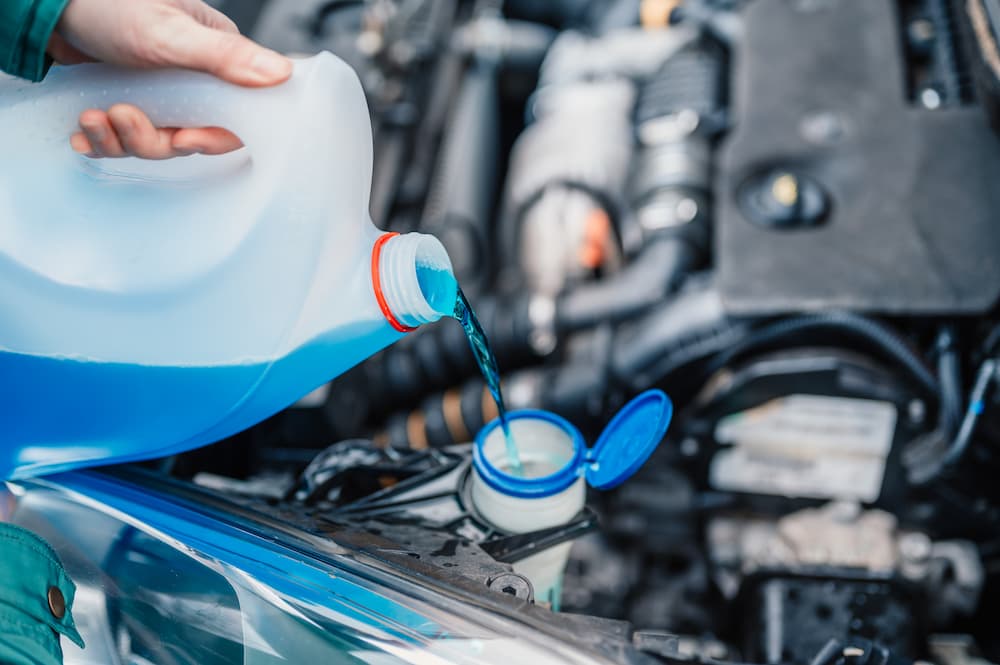
Keeping your coolant system working properly will keep your engine from overheating. Heat problems are a major source of engine failure, making proper coolant maintenance an important part of vehicle longevity. We offer comprehensive coolant system assessments to identify issues and fix them before they become problems.
Brake System
Well-performing brakes save lives and money. Properly maintained brakes last between 25,000 and 70,000 miles, depending on driving conditions. Visalia GMC’s brake specialists will check the wear on your brakes, evaluate their stopping power, service brake fluid levels, and make any repairs necessary to keep you safe.
Tire Maintenance
Your tires are crucial for maintaining control of your vehicle and keeping its fuel efficiency optimal. In fact, properly maintained tires can improve gas mileage by up to 3%. Our tire services include rotation, balancing, alignment assessment, and pressure monitoring.
Battery Service
Nobody wants to be out and about only to find out that their battery is dead and their car won’t start. To ensure your car always starts when you need it to, don’t skip regular maintenance of your battery. Our technicians will assess your battery performance and, if needed, replace it with genuine ACDelco components.
Stay on top of service tasks
Now that you know what to maintain, let’s look at how to best schedule and organize those procedures. Thankfully, GMC’s integrated Oil Life Monitoring System takes the guesswork out of maintenance. It calculates optimal service intervals based on the actual driving conditions your car experiences. It takes engine temperature, RPM, and trip length into account, rather than relying on outdated mileage-only schedules.
Schedule Regular Multi-Point Inspections
To catch small issues before they turn into something more serious, schedule regular multi-point inspections every 6 months. Visalia GMC’s comprehensive inspection systems use a color-coded assessment. Red indicators need immediate attention, while yellow indicators should be addressed as soon as possible.
Keep Detailed Records
Whenever you have maintenance performed, keep a record of the work done. Well-organized maintenance records are an important part of maintaining warranty coverage and resale value. GMC vehicles with documented service histories retain 15% more value than those without proper records.
Signs you need maintenance or repair
In addition to regular maintenance, your vehicle sometimes lets you know that it needs professional attention. You just need to know what to look for.
- Dashboard warning lights: This indicates when your GMC’s computer system has detected issues that need professional attention.
- Unusual noises: Anytime you hear unusual sounds during braking, acceleration, or steering, it may indicate wear in important safety systems.
- Fluid leaks: Regularly check under your parked vehicle to look for fluid leaks. Various crucial fluids may leave drops or puddles on the ground when your car is parked.
- Performance changes: Rough idling, reduced acceleration, or poor fuel economy can all suggest problems with your vehicle’s systems.
- Tire wear patterns: When something is wrong with your alignment, suspension, or tire inflation, your tire tread will wear unevenly.
Ready to test drive your new car?
If you’re maintaining your current GMC, Visalia GMC’s service department will ensure that it always operates at peak performance. If you are looking to purchase a new GMC, our sales team will help you find the perfect vehicle and arrange for a test drive. For more information, stop by our dealership or contact us today.
Image Source: zedspider/Shutterstock
How Much Weight can a GMC Sierra 1500 Tow

The GMC Sierra 1500 is a beast of a vehicle, sporting a host of great features that any truck owner could be proud of. Like many trucks, though, it’s only as good as its towing capacity. If you’re considering buying this truck, learn how much the GMC Sierra 1500 can tow across its various models and configurations to help you decide what’s right for you.
What Is a Vehicle’s Towing Capacity?
Anyone planning to haul heavy loads, trailers, or other vehicles will need to know the towing capacity of the GMC Sierra 1500. It defines the maximum weight a vehicle can tow safely, ensuring the vehicle remains undamaged and driving conditions stay secure. Exceeding this limit can lead to mechanical issues and unsafe driving.
Several factors work in tandem to determine a vehicle’s towing capacity. The engine type is one such factor, as more powerful engines generally support higher towing limits. The drivetrain also matters; four-wheel drive (4WD) systems often provide better traction and control than two-wheel drive (2WD), especially on tough terrain. The vehicle’s configuration, including cab size and bed length, affects weight distribution and stability during towing. The axle ratio is another consideration, balancing fuel efficiency with towing power.
The GMC Sierra 1500’s Towing Capacity in Detail
The GMC Sierra 1500 stands out for its towing prowess. Its capacity varies across models and configurations, with the top-performing setup capable of hauling up to 13,200 pounds. This makes it ideal for towing hefty trailers, boats, and even some fifth-wheel campers.
Different trims and packages offer varied towing capabilities. The Max Trailering Package, for example, is engineered to optimize towing performance with features like enhanced cooling systems and heavy-duty suspension components, boosting its towing potential.
Engine Options and Their Impact on Towing
The Sierra 1500 offers several engine choices, each influencing towing capacity. The 2.7-liter Turbo engine provides adequate towing power for everyday use. For those needing more muscle, the 5.3-liter V8 is a popular option, offering a significant increase in towing capability.
For maximum towing power, the 6.2-liter V8 is the top choice. When properly configured, it achieves the Sierra 1500’s peak towing capacity of 13,200 pounds. The 3.0-liter Duramax Turbo-Diesel engine balances power and fuel efficiency, appealing to those who prioritize economy without compromising towing strength.
Features That Enhance Towing
The Sierra 1500 is equipped with features that enhance towing safety and efficiency. Trailer sway control helps maintain stability by automatically applying brakes if the trailer begins to sway. The tow/haul mode adjusts transmission shifts for smoother handling of heavy loads. An integrated trailer brake controller allows drivers to manage the trailer’s brakes from the cabin, offering better control.
Considerations When Towing With a GMC Sierra 1500
When towing with a Sierra 1500, account for things like payload capacity and weight distribution. Exceeding the truck’s payload capacity can affect towing stability. Proper weight distribution, possibly with a weight distribution hitch, helps maintain balance.
Safe towing practices include regular maintenance checks, proper tire inflation, and securing all towing equipment. Understanding your specific Sierra 1500 model’s limits and staying within its towing capacity helps you avoid mechanical issues and ensure safe driving.
Find the Right Sierra 1500 for Your Towing Needs
The GMC Sierra 1500 stands out as a robust and adaptable truck designed to meet a wide range of towing needs. With a top towing capacity reaching 13,200 pounds when optimally configured, it’s a dependable option for both work and recreational hauling.
Contact the team at Visalia GMC to learn more about this truck and find the best match for your towing demands. Arrange a test drive to showcase the Sierra 1500’s capabilities.
What Size Battery for GMC Sierra 1500
Choosing the right battery size for your GMC Sierra 1500 is crucial for ensuring optimal performance and reliability. Whether you’re a seasoned car enthusiast or someone considering a new vehicle purchase, understanding the specific battery requirements for the Sierra 1500 can enhance your driving experience and prevent potential issues down the road.
Understanding Battery Specifications for the GMC Sierra 1500
Selecting the correct battery for your GMC Sierra 1500 is about ensuring the vehicle performs at its best under various conditions. The right battery size directly impacts the starting power, especially in cold weather, and the overall reliability of your vehicle.
Key battery specifications to consider include cold cranking amps (CCA) and reserve capacity (RC). Cold-cranking amps measure the battery’s ability to start an engine in cold temperatures, which is crucial for those living in colder climates. Reserve capacity, on the other hand, indicates how long the battery can power the vehicle’s electrical system if the alternator fails.
What Size Battery for the GMC Sierra 1500
The recommended GMC Sierra 1500 battery size typically falls within the Group 48 or H6 category, known for its compatibility with a wide range of model years and engine types. It’s important to note that variations can occur based on specific model years and engine configurations.
To ensure you select the correct battery size for your specific Sierra 1500 model, it’s advisable to consult the vehicle’s owner manual, which provides detailed specifications tailored to your truck’s requirements. Seeking advice from a professional mechanic or contacting a dealership can offer valuable insights, especially if you’re considering aftermarket options or have customized your vehicle in a way that affects its power needs.
Factors to Consider When Choosing a Battery
When selecting a battery for your GMC Sierra 1500, several factors should influence your decision to ensure optimal performance and longevity. First, consider the climate in which you primarily drive. In colder regions, a battery with higher cold cranking amps (CCA) is essential to ensure reliable starts in low temperatures. Conversely, if you live in a warmer climate, a battery with a robust reserve capacity is beneficial to handle extended use of air conditioning and other electrical components.
Your driving habits also play a crucial role. Frequent short trips can prevent the battery from fully charging, leading to a shorter lifespan. In such cases, a battery with a higher reserve capacity might be more suitable as it can better handle the frequent discharge and recharge cycles.
How to Replace Your GMC Sierra 1500 Battery
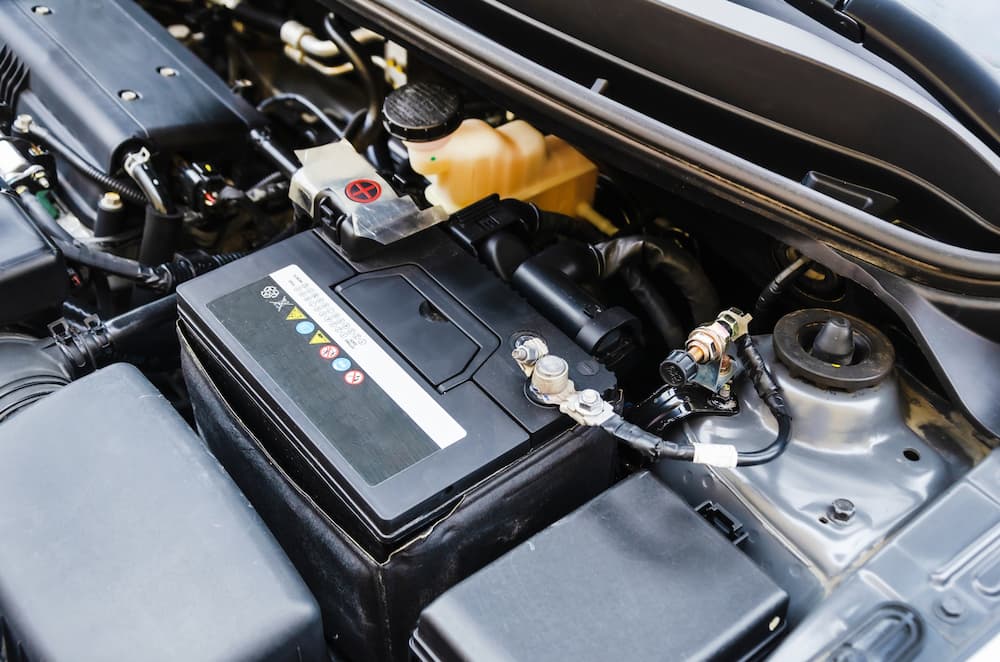
Replacing the battery in your GMC Sierra 1500 is a straightforward process. Before you begin, ensure you have the necessary tools: a wrench or socket set, safety gloves, and protective eyewear.
First, park your vehicle on a flat surface and turn off the ignition. Open the hood and locate the battery, which is typically found on the driver’s side. Start by disconnecting the negative battery cable using a wrench to loosen the nut. This step is crucial to prevent any electrical shorts. Followed by disconnecting the positive cable in the same manner.
Once you detach the cables, remove any clamps or brackets securing the battery in place. Carefully lift the old battery out of the tray, ensuring you handle it with care to avoid spills or damage.
Position the new battery in the tray, making sure you correctly align the terminals. Secure it with the clamps or brackets you removed earlier. Reattach the positive cable first, tightening the nut securely, followed by the negative cable.
After you install the new battery, start the engine to ensure everything is functioning correctly. If the vehicle starts smoothly, close the hood and dispose of the old battery properly, as it contains hazardous materials. Many auto parts stores offer recycling services for used batteries.
The Right Size of Battery is Essential
Selecting the right battery size for your GMC Sierra 1500 is essential for maintaining optimal vehicle performance and ensuring long-term reliability. By understanding the specific requirements of your truck and taking into account factors such as climate, driving habits, and any additional electrical demands, you can make an informed decision that enhances your driving experience.
Remember, consulting professionals can provide valuable guidance tailored to your vehicle’s unique needs. For expert advice and assistance, consider reaching out to Visalia GMC. Our friendly and knowledgeable staff can help you choose and install the perfect battery for your Sierra 1500. Contact us today for more information on the GMC Sierra 1500.
GMC Sierra 1500 Battery FAQ
What size battery does a GMC Sierra 1500 need?
The recommended battery size for most GMC Sierra 1500 models is Group 48 (H6), though exact requirements may vary by model year and engine. Always check your owner’s manual for specifications.
What do cold cranking amps (CCA) and reserve capacity (RC) mean?
CCA measures a battery’s ability to start the engine in cold temperatures, while RC indicates how long the battery can power the vehicle if the alternator fails. Both are important for reliable performance.
How do I choose the right battery for my climate and driving habits?
In colder climates, select a battery with higher CCA for dependable starts. For frequent short trips or extended use of electronics, prioritize a battery with higher reserve capacity.
How do I replace the battery in a GMC Sierra 1500?
Park on a flat surface, turn off the engine, disconnect the negative then positive cables, remove any clamps, lift out the old battery, place the new battery in the tray, secure it, reconnect positive then negative cables, and start the engine to test.
Why is choosing the correct battery size important?
Using the correct battery ensures optimal starting power, reliable performance, and long-term durability for your GMC Sierra 1500. Consulting a professional or the dealership can help select the best battery for your truck.
Image Source: ninaveter/Shutterstock
Why is GMC More Expensive Than Chevy
Have you ever wondered why GMC trucks are more expensive than Chevy trucks? Discover the reasons behind the price difference between these two brands. As part of the same parent company, GMC and Chevy offer distinct features and qualities that cater to different audiences. Learn more about the brand positioning, engineering and design differences, technology and features, quality of materials, after-sales services, and warranties that contribute to the higher cost of GMC trucks. If you’re a current GMC truck owner or are considering purchasing one, this description will help you understand the value of owning a GMC.
Brand Positioning
As you dig deeper into the question, “Why is GMC more expensive than Chevy?” you must first understand the brand positioning of these two companies. General Motors positions GMC as a premium brand. This means that from the get-go, GMC is designed with the intention of being a step above in terms of quality and sophistication. GMC is consistently marketed as “Professional Grade” trucks and SUVs. This implies that GMC vehicles are not just meant for regular driving but for more professional, heavy-duty tasks.
Luxury and Professional-Grade Features of GMC Trucks
GMC trucks are often equipped with more upscale features and materials compared to their Chevy counterparts. This includes high-end details like brushed aluminum accents, wood paneling, and plush leather seating. With more luxurious amenities as standard, GMC trucks are designed to offer a superior driving and ownership experience. These additional features and the overall premium feel of GMC trucks are key reasons why they command a higher price point than Chevy trucks.
While Chevy trucks are built to be reliable and hard-working vehicles, GMC trucks are designed to provide all these characteristics plus a touch of luxury. This brand positioning aligns with the needs and expectations of their respective target consumers, making the cost difference a justifiable aspect of their purchase decision.
Engineering and Design Differences
GMC trucks boast unique engineering elements, such as a more robust suspension system designed for rugged terrains and a more refined transmission for smoother, more efficient power delivery. These premium design elements contribute significantly to the higher price tag of GMC trucks. For instance, the advanced suspension systems employed in GMC trucks offer superior ride comfort and off-road capabilities, while their refined transmission systems ensure excellent fuel efficiency and performance, making them worth every penny for discerning buyers.
Technology and Features
GMC trucks come equipped with advanced technologies and luxury features only sometimes standard in Chevy trucks. These include advanced safety features, sophisticated infotainment systems, and convenience features like power-adjustable seats and automatic climate control.
These advanced features not only enhance the driving experience but also add to the vehicle’s value, thus contributing to the higher price of GMC trucks. The added comfort, safety, and convenience they offer make GMC trucks an appealing choice for customers seeking a truck that combines functionality with luxury.
Quality of Materials and Build
What distinguishes GMC trucks and consequently influences their price is the use of more expensive, high-quality materials in their construction. Superior-quality leather, high-grade steel, and refined aluminum are frequently employed, elevating the build quality and craftsmanship of GMC trucks.
The superior build quality of GMC trucks ensures their longevity and durability, making them a worthy investment for truck enthusiasts. This level of craftsmanship and detailing adds a sense of luxury.
After-Sales Services and Warranties
The GMC brand also offers extended warranties and after-sales services that further justify the extra costs. These benefits provide an added layer of protection and convenience, ensuring peace of mind for GMC truck owners. While the purchase price of a GMC truck might be higher, the comprehensive warranties and reliable after-sales service add value and ease to ownership, making GMC trucks a more attractive prospect for many potential customers.
Get Your New GMC Today From Visalia GMC
The price difference between GMC and Chevy trucks can be attributed to GMC’s premium brand positioning, superior materials, advanced features, and extended warranties. While GMC trucks may come with a higher initial cost, the value of their professional-grade performance, superior build quality, and luxurious features validate the investment.
If you’re considering purchasing a GMC truck, we invite you to speak with Visalia GMC for a personalized experience. Contact us online or call 559-409-7178. Challenge the roads with GMC and experience the sophisticated strength and luxury intrinsic to the brand.
GMC vs. Chevy Trucks FAQ
Why are GMC trucks more expensive than Chevy trucks?
GMC is positioned as a premium, “Professional Grade” brand. They use higher-quality materials, offer advanced features, and provide extended warranties and after-sales services, which all contribute to a higher price point.
What features make GMC trucks more luxurious than Chevy trucks?
GMC trucks often include upscale touches like leather seating, brushed aluminum accents, wood paneling, advanced infotainment systems, power-adjustable seats, automatic climate control, and enhanced safety features.
How do engineering and design differences affect GMC truck pricing?
GMC trucks feature more robust suspension systems, refined transmissions, and superior build quality. These enhancements provide smoother rides, better off-road capability, and greater durability, adding value for buyers.
Do GMC trucks come with better warranties or services than Chevy trucks?
Yes, GMC offers extended warranties and comprehensive after-sales services, giving owners extra protection and peace of mind compared to typical Chevy offerings.
Is the higher price of a GMC truck worth it?
For customers seeking professional-grade performance, luxury features, superior materials, and reliable after-sales support, the extra cost of a GMC truck reflects its overall value and quality.
Flat Tow Vehicles
Are you an RV enthusiast looking to tow your GMC vehicle behind your motorhome? It’s helpful to know which GMC models can be flat towed for a smooth and hassle-free journey. With the proper equipment, you can flat tow GMC models such as the Acadia, Canyon, Sierra, Terrain, and Yukon.
GMC Models That Can Be Flat Towed
Venturing out into the open road with your RV is an exciting adventure. The ability to bring along your GMC vehicle only enhances that journey. However, not all GMC models are compatible with flat towing. In general, a two-wheel-drive vehicle should not be towed with all four wheels on the ground. Two-wheel-drive transmissions have no provisions for internal lubrication while being towed. Four-wheel-drive vehicles can be flat towed in models with a two-speed transfer case that allows you to shift the transfer case into Neutral (N). In some vehicles this is a clearly visible setting on the four-wheel-drive selector, but in others there are specific steps to accomplish this. You should consult your owner’s manual to determine if your vehicle has the correct equipment and for instructions on shifting the transfer case into Neutral (N). The page numbers can generally be found in the back index under Transfer Case or Towing. IMPORTANT NOTE: Shifting the transfer case to Neutral (N) can cause the vehicle to roll even if the transmission is in Park (P). You or someone else could be seriously injured. Be sure to set the parking brake before placing the transfer case in Neutral (N).
Towing Tips for Flat Towing GMC Vehicles
Flat towing your GMC vehicle can be a thrilling part of your RV adventures. To ensure a smooth ride, you must understand the proper setup and follow safe driving practices. The following tips will make your flat towing experience safe and smooth.
Proper Setup and Equipment Checks
In addition to the base plate, tow bar, and supplemental braking system, always ensure that your vehicle has functioning tow lights that align with your vehicle’s lighting system. This helps other drivers on the road know your intentions, ensuring safety for all.
Inspect all towing equipment, connections, and attachments before you start your drive. Regular equipment checks during your road trip can help detect any problems early, potentially preventing road mishaps or breakdowns.
Safe Driving Practices While Flat Towing
While flat-towing your GMC vehicle, some adjustments to your usual driving habits may be necessary. Plan your route to avoid roads with sharp turns, low clearances, or steep grade changes that may pose a challenge for your towed vehicle. Remember to maintain a lower driving speed and allow for more stopping distance, as the added weight of the towed vehicle can impact your RV’s handling and braking. Always use the tow vehicle’s mirrors to keep an eye on your towed GMC for any signs of trouble. For expert advice or a new tow-ready vehicle, visit Visalia GMC or contact us today.
Powertrain Warranty Coverage
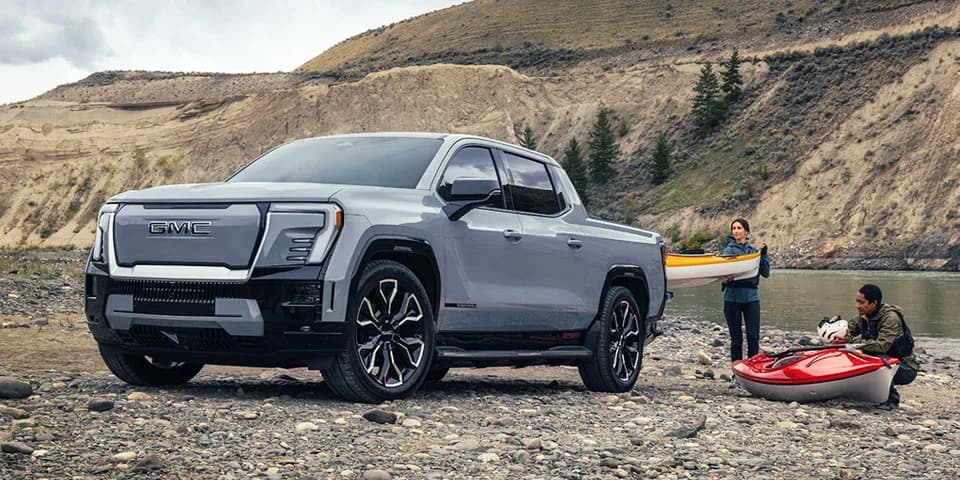
GMC trucks come with a powertrain warranty that offers valuable protection for critical components. If you bought your truck new, this warranty can provide coverage for an extended period. To fully take advantage of this protection, you must understand what’s included in the warranty. In this guide, we’ll break down the components covered, the services provided, as well as the exclusions and limitations. Plus, we’ll share tips on how to maximize the benefits of your GMC powertrain warranty.
The GMC Powertrain Warranty
Typically, a GMC powertrain warranty covers three main components: the engine, the transmission, and the drive systems. The warranty covers any necessary repairs or replacements of the covered components due to defects in materials or workmanship and can also include towing to the nearest GMC dealer.
Engine Coverage
The engine has a myriad of components that could potentially fail. A GMC powertrain warranty covers all internally lubricated parts, engine oil cooling hoses, and lines. It also includes all mounts, the engine block, cylinder head, manifold, oil pan, oil pump, seals, gasket, turbocharger, supercharger, and timing chain.
Transmission Coverage
The powertrain warranty for your GMC also extends to your truck’s transmission system. This includes all internally lubricated parts, the case, the torque converter, the mounts, the seals, the gaskets, and any electrical components internal to the transmission/transaxle.
Drive Systems Coverage
Your GMC’s drive system, such as the front-wheel drive, all-wheel drive, rear-wheel drive, or four-wheel drive system, is also protected. This coverage extends to all internally lubricated parts, axle shafts, constant velocity joints, front hub bearings, rear hub bearings, seals, gaskets, and final drive housing.
Exclusions and Limitations
The GMC powertrain warranty provides generous coverage, but there are certain exceptions to be aware of. This warranty does not cover damage caused by accidents, misuse of the vehicle, lack of maintenance, alterations, contamination or loss of fluids, or wear and tear items such as brake pads, clutches, tires, and wiper blades. Basically, treat your vehicle right to keep the warranty intact.
Certain time and mileage conditions also limit warranty coverage. Typically, the GMC powertrain warranty lasts for five years or 60,000 miles (whichever comes first). This means coverage expires once you have either passed the five-year mark or driven over 60,000 miles.
Understanding Warranty Terms
Warranty documents can be complex and full of technical language, so you’ll want to familiarize yourself with terms such as “powertrain,” “drive system,” and “internally lubricated parts” to know what everything refers to. That way, you can interpret what is covered and not covered under the warranty.
Making the Most of the GMC Powertrain Warranty
To fully benefit from your warranty, follow GMC’s recommended maintenance schedule and have certified GMC technicians service your truck. Regular upkeep not only ensures the longevity of your truck but also helps avoid voiding the warranty due to neglect or improper care.
Comparison With Other GMC Warranties
Apart from the powertrain warranty, GMC offers other warranties like the bumper-to-bumper limited warranty and corrosion protection warranty. While the powertrain warranty focuses on the engine, transmission, and drive systems, the bumper-to-bumper warranty covers most parts of your truck from front to rear for any factory defects. These additional warranties can be a great investment that you may wish to purchase to supplement your powertrain warranty.
Take Advantage of a GMC Powertrain Warranty Today
A GMC powertrain warranty offers substantial coverage for your vehicle’s engine, transmission, and drive systems. As an informed GMC truck owner, you’ll be better equipped to handle any unexpected issues and keep your truck running smoothly for years to come. For more information or to explore GMC trucks with comprehensive warranties, contact Visalia GMC at 559-409-7178 or visit our website.
GMC Powertrain Warranty FAQ
What does the GMC powertrain warranty cover?
It covers critical components of your truck, including the engine, transmission, and drive systems, protecting against defects in materials or workmanship.
How long does the GMC powertrain warranty last?
Typically, it lasts for 5 years or 60,000 miles, whichever comes first.
Are there any exclusions to the warranty?
Yes. The warranty does not cover damage from accidents, misuse, lack of maintenance, alterations, fluid loss or contamination, or wear-and-tear items like brake pads, clutches, tires, and wiper blades.
How can I make the most of my GMC powertrain warranty?
Follow GMC’s recommended maintenance schedule and have certified GMC technicians service your truck to avoid voiding coverage and ensure longevity.
How does the powertrain warranty differ from other GMC warranties?
The powertrain warranty focuses on the engine, transmission, and drive systems, while other warranties, like the bumper-to-bumper warranty, cover most parts of the truck for factory defects.
GMC Infotainment System

There are few things more frustrating than a frozen Infotainment system in your car. Modern vehicles rely almost entirely on the “Infotainment” central touch screen for all their non-driving functions, including music, navigation, and even air conditioning. So when your GMC Infotainment system stops working, won’t connect, or completely freezes up, you need a solution. Unfortunately, that solution is not always obvious. Fiddling with the buttons and turning the car off and back on again may not work.
Don’t worry, there’s a solution. Before heading to the dealership, try these steps to reboot your GMC Infotainment system. These are the same steps your mechanic would follow.
Details About the Infotainment System in GMC
GMC Infotainment systems have been evolving since their initial release in 2014. Originally, vehicles used the Mylink or Intellilink software systems. In 2017, this upgraded to the GM Infotainment software, and in 2022, they added built-in Google functionality.
Knowing which year your vehicle was released will help you identify the right Infotainment fix.
How to Reset a GMC Infotainment System
First, identify the year and model of your vehicle. This will direct you toward which version of the GMC Infotainment system you are working with. Then you can use the following steps on how to reboot your GMC Infotainment system.
These are the solutions that automakers share with their own dealerships and service technicians, according to Consumer Reports.
- 2017-2019: Mylink or Intellilink Systems
- Press the ‘Home’ and ‘Fast Forward’ buttons together.
- Hold for at least 10 seconds.
- 2017-2019: GM Infotainment System
- Press the ‘Onstar’ call button
- Then, hang up immediately. (yes, really)
- 2019-2023: GM Infotainment w/out Google
- Turn off the car
- Then turn it back on again.
- 2022+: GMC Infotainment with Built-In Google
- Park the car, put the car in “park”
- Press and hold the ‘Phone Hangup’ button on the steering wheel
- Hold it for 10 seconds
What If It Doesn’t Work?
If you’ve done the GMC Infotainment reset procedure and it doesn’t work, you still have a few options.
- First, try the solutions for the versions just before and after yours. Maybe your Infotainment system version came from a different batch based on the model production time, location, or trim.
- Next, turn the car and your phone off and back on again..
- Check for software updates on your car and phone.
If all else fails, take a video of your Infotainment system not working and bring your car into a GMC dealership.
Features of the GMC Infotainment System
- Dash Radio control
- Virtual Controls: Virtual access to in-car buttons and knobs
- Glove box release
- Locks
- Headlights
- Dome lights
- Garage door remote
- One pedal driving
- Traction control
- Monitor: Energy App monitor’s vehicle’s energy use and charging status
- Off-Road and Trailer Control
- Off-Road App: pitch, roll, drift, angle, suspension
- Trailering App: trailer profiles, pressure monitoring, theft alert
- Google Features
- Google Assistant
- Google Maps
- Google Play
- Entertainment Apps
- Alexa
- iHeartRadio
- Weather Channel
- NPR One
- Pandora
- Spotify
- USA Today
- Wall Street Journal
- Washington Post
- New York Times
- Sirius XM
Stop In Today To Check Out Our Inventory of New and Used Vehicles
Infotainment systems are both the coolest and sometimes most challenging aspect of modern vehicles. When they work, they are like magic and can bring incredible functionality and hands-free entertainment to your vehicle. But if your Infotainment system freezes, it’s important to know the possible solutions.
Excited about the latest GMC Infotainment features? Need to replace a car with a faulty Infotainment system that’s always on the fritz? You can explore new and used GMCs right here at Visalia GMC. Contact us today to find the new GMC for you.
GMC Infotainment System FAQ
Why is my GMC Infotainment system frozen or unresponsive?
Modern GMC vehicles rely on the Infotainment system for music, navigation, climate control, and more. Freezing can occur due to software glitches, outdated software, or connectivity issues.
How can I reset my GMC Infotainment system?
The reset method depends on your vehicle’s year and system:
- 2017–2019 Mylink/Intellilink: Press ‘Home’ + ‘Fast Forward’ for 10 seconds.
- 2017–2019 GM Infotainment: Press the ‘OnStar’ button and hang up immediately.
- 2019–2023 GM Infotainment (without Google): Turn the car off and on again.
- 2022+ GMC Infotainment (with Google): Park the car, then hold the ‘Phone Hangup’ button on the steering wheel for 10 seconds.
What if the reset doesn’t work?
Try the reset methods for the system versions before or after yours. Also:
- Turn off and restart your car and phone.
- Check for software updates.
- If unresolved, record the issue and visit a GMC dealership.
What features does the GMC Infotainment system include?
Key features include:
- Dash radio and virtual controls
- Glove box release, locks, and lights
- One-pedal driving and traction control
- Off-Road and Trailering apps
- Google features: Maps, Assistant, Play, and entertainment apps (Spotify, Pandora, SiriusXM, etc.)
Where can I find help or a new GMC vehicle if my Infotainment system is faulty?
You can visit Visalia GMC to check out new and used vehicles or schedule service for your current GMC.
Connect with us

