
Blog

Powertrain Warranty Coverage

gmc powertrain warranty

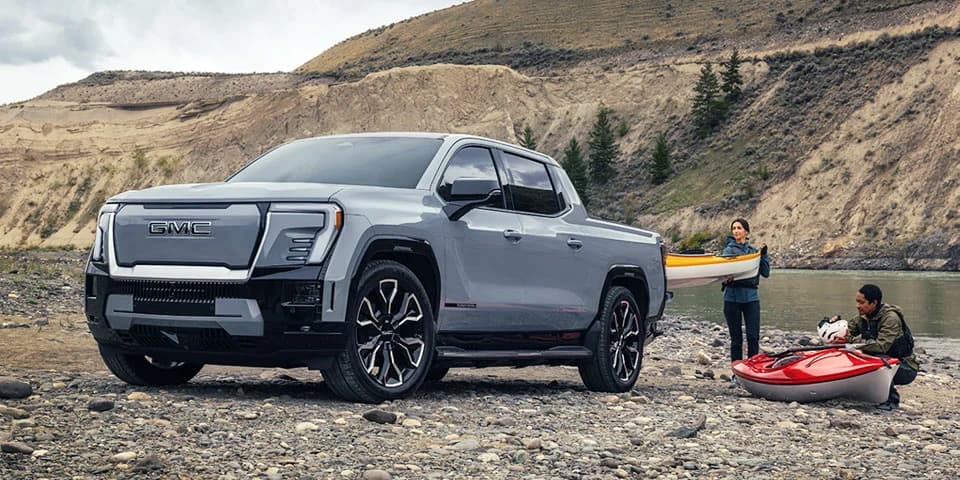
GMC trucks come with a powertrain warranty that offers valuable protection for critical components. If you bought your truck new, this warranty can provide coverage for an extended period. To fully take advantage of this protection, you must understand what’s included in the warranty. In this guide, we'll break down the components covered, the services provided, as well as the exclusions and limitations. Plus, we'll share tips on how to maximize the benefits of your GMC powertrain warranty.

The GMC Powertrain Warranty 

Typically, a GMC powertrain warranty covers three main components: the engine, the transmission, and the drive systems. The warranty covers any necessary repairs or replacements of the covered components due to defects in materials or workmanship and can also include towing to the nearest GMC dealer.

Engine Coverage

The engine has a myriad of components that could potentially fail. A GMC powertrain warranty covers all internally lubricated parts, engine oil cooling hoses, and lines. It also includes all mounts, the engine block, cylinder head, manifold, oil pan, oil pump, seals, gasket, turbocharger, supercharger, and timing chain.

Transmission Coverage

The powertrain warranty for your GMC also extends to your truck's transmission system. This includes all internally lubricated parts, the case, the torque converter, the mounts, the seals, the gaskets, and any electrical components internal to the transmission/transaxle.

Drive Systems Coverage

Your GMC's drive system, such as the front-wheel drive, all-wheel drive, rear-wheel drive, or four-wheel drive system, is also protected. This coverage extends to all internally lubricated parts, axle shafts, constant velocity joints, front hub bearings, rear hub bearings, seals, gaskets, and final drive housing.

Exclusions and Limitations

The GMC powertrain warranty provides generous coverage, but there are certain exceptions to be aware of. This warranty does not cover damage caused by accidents, misuse of the vehicle, lack of maintenance, alterations, contamination or loss of fluids, or wear and tear items such as brake pads, clutches, tires, and wiper blades. Basically, treat your vehicle right to keep the warranty intact.

Certain time and mileage conditions also limit warranty coverage. Typically, the GMC powertrain warranty lasts for five years or 60,000 miles (whichever comes first). This means coverage expires once you have either passed the five-year mark or driven over 60,000 miles.

Understanding Warranty Terms

Warranty documents can be complex and full of technical language, so you’ll want to familiarize yourself with terms such as "powertrain," "drive system," and "internally lubricated parts” to know what everything refers to. That way, you can interpret what is covered and not covered under the warranty.

Making the Most of the GMC Powertrain Warranty

To fully benefit from your warranty, follow GMC's recommended maintenance schedule and have certified GMC technicians service your truck. Regular upkeep not only ensures the longevity of your truck but also helps avoid voiding the warranty due to neglect or improper care.

Comparison With Other GMC Warranties

Apart from the powertrain warranty, GMC offers other warranties like the bumper-to-bumper limited warranty and corrosion protection warranty. While the powertrain warranty focuses on the engine, transmission, and drive systems, the bumper-to-bumper warranty covers most parts of your truck from front to rear for any factory defects. These additional warranties can be a great investment that you may wish to purchase to supplement your powertrain warranty.

Take Advantage of a GMC Powertrain Warranty Today

A GMC powertrain warranty offers substantial coverage for your vehicle's engine, transmission, and drive systems. As an informed GMC truck owner, you'll be better equipped to handle any unexpected issues and keep your truck running smoothly for years to come. For more information or to explore GMC trucks with comprehensive warranties, contact Visalia GMC at 559-409-7178 or visit our website.

GMC Powertrain Warranty FAQ

What does the GMC powertrain warranty cover?

It covers critical components of your truck, including the engine, transmission, and drive systems, protecting against defects in materials or workmanship.

How long does the GMC powertrain warranty last?

Typically, it lasts for 5 years or 60,000 miles, whichever comes first.

Are there any exclusions to the warranty?

Yes. The warranty does not cover damage from accidents, misuse, lack of maintenance, alterations, fluid loss or contamination, or wear-and-tear items like brake pads, clutches, tires, and wiper blades.

How can I make the most of my GMC powertrain warranty?

Follow GMC’s recommended maintenance schedule and have certified GMC technicians service your truck to avoid voiding coverage and ensure longevity.

How does the powertrain warranty differ from other GMC warranties?

The powertrain warranty focuses on the engine, transmission, and drive systems, while other warranties, like the bumper-to-bumper warranty, cover most parts of the truck for factory defects.
Recommended Posts

Closeup view of car brake disc and caliper in mechanic garage.

How Long Do Brakes Last on a GMC Truck or SUV?

The lifespan of brake pads depends heavily on driving conditions and habits. Squealing, grinding, vibration, longer stopping distances, or a soft brake pedal can signal that service is needed. Some newer GMC vehicles include a Brake Pad Life Monitor that estimates remaining pad life. Regular inspections are the best way to know when pads, rotors, or other brake components need attention. If you drive a GMC Sierra, Yukon, Acadia, Terrain, or another GMC model around Visalia, you may eventually wonder: how long do the brakes last? Visalia GMC helps local drivers maintain their vehicles with Certified Service built around GMC systems and recommended maintenance practices. The most important thing to know is that brakes do not wear out on a fixed schedule. How you drive, where you drive, what you tow, and the condition of the braking system all play a role. There Is No One Mileage for Brake Replacement There are no specific mileage intervals for brake service because brake wear varies by driving habits and conditions. That is why brake components are inspected during a GMC Multi-Point Vehicle Inspection. A driver who spends most of the time cruising on open roads may experience different brake wear than someone who deals with frequent stop-and-go traffic. Brake life can also be affected by: Frequent towing or hauling Repeated hard braking Stop-and-go city driving Steep grades Vehicle load Brake pad material Driving style For GMC truck and SUV owners who use their vehicles for towing, work, or heavier loads, regular brake checks are especially important. What About Brake Rotors? Brake rotors do not always need to be resurfaced or replaced when the brake pads are changed. If you are not feeling vibration when braking and the rotor still has enough thickness, it may still be in good condition. A technician should check the rotors for wear, grooves, heat damage, and thickness before deciding whether they need service or replacement. Watch for Brake Warning Signs Brake problems often give you some warning before they become more serious. There are several signs that should prompt an inspection: Chirping, squealing, or whistling Grinding noises Longer stopping distances A spongy brake pedal Vibration through the pedal or steering wheel Pulling to one side while braking Brake pads may also include wear indicators designed to make noise as the friction material becomes thin. GMC recommends replacement at or before the pads reach about 2 mm of remaining friction material. If you notice a sudden change in braking feel or stopping performance, do not wait for your next routine service visit. Your GMC May Help Track Brake Pad Life Some GMC vehicles have a Brake Pad Life Monitor that can help you keep an eye on how much pad life remains. The system estimates the remaining life of the front and rear brake pads based on vehicle use and driving habits. As the pads wear down, you may see an estimated percentage or mileage remaining in the Driver Information Center. It is a helpful tool, but it should not take the place of a brake inspection. Your brake pads are only one part of the system. The rotors, calipers, hoses, brake lines, and other components also need to be checked to make sure everything is working properly. How Often Should You Have Your Brakes Checked? We recommend having the brakes inspected or serviced at least every 7,500 miles. Brake components wear at different rates, so an inspection can identify changes before they turn into larger repair needs. Schedule GMC Brake Service in Visalia If your brakes are making noise, your pedal feels different, or you simply want to know how much life is left in your pads and rotors, an inspection can give you a clear answer. Our Certified Service team works with GMC trucks and SUVs and uses GM Genuine Parts and ACDelco components when replacement is needed. Learn more about GMC brake service or schedule a service appointment at Visalia GMC. You can also call our service department at 559-827-4225 or visit us at 1313 E Main Street, Visalia, CA 93292. Image Source: Parilov / Shutterstock

a dead car battery being started with jumper cables

When to Replace Your Car Battery: Signs, Lifespan, and What to Do Next

Most traditional vehicle batteries last about three to five years. Slow starting, repeated jump-starts, corrosion, or warning lights can signal a weakening battery. Testing the battery can help determine whether the problem is the battery, alternator, starter, or another component. A car that suddenly takes longer to start can leave you wondering whether the battery is about to fail. Visalia GMC helps drivers throughout Visalia, Tulare County, Fresno, Porterville, and Lindsay identify battery problems before they turn into an unexpected no-start situation. Knowing when to replace a car battery components comes down to age, performance, and what a proper battery test shows. How Long Does a Car Battery Usually Last? GMC states that traditional vehicle batteries typically last about three to five years, although actual lifespan varies. Hot weather, driving habits, frequent short trips, long periods without driving, and time spent in a discharged state can all shorten battery life. Central Valley heat can be especially hard on automotive batteries. Even if your vehicle is still starting normally, it is worth paying closer attention once the battery approaches the three-year mark. Regular battery testing during routine maintenance can give you a better idea of its condition before performance noticeably declines. What Are the Signs of a Weak Car Battery? A battery does not always fail without warning. Common signs that it may be losing strength include: The engine cranks more slowly than usual You hear clicking when trying to start the vehicle The battery needs frequent jump-starts The battery does not hold a charge Corrosion appears around the terminals The battery case looks swollen, cracked, or damaged Warning lights appear on the dashboard GMC notes that a no-start condition can also be caused by an alternator, loose cable, starter issue, or another charging-system problem, so testing is important before assuming the battery itself is the cause. Does a Warning Light Mean the Battery Is Bad? Not necessarily. A battery or charging-related warning can point to more than one problem. The alternator charges the battery while the engine is running. If the alternator is not working correctly, the battery may lose its charge even if the battery itself was originally healthy. Loose connections or starter problems can create similar symptoms. A professional inspection can be more useful than simply replacing the battery based on a warning light alone. Should You Replace a Battery Before It Fails? In some cases, yes. If a battery is several years old and testing shows that its capacity is declining, replacing it proactively can help reduce the chance of being stranded. This can be especially helpful if you depend on your vehicle for a daily commute, regular highway travel, or long trips away from home. If the battery is younger and tests well, replacement may not be necessary. A technician can check battery health and the starting and charging systems to help identify the actual problem. How Can You Help Your Battery Last Longer? A few simple habits can support battery life: Keep the terminals clean and free of corrosion Avoid leaving lights or accessories on when the engine is off Drive the vehicle regularly rather than letting it sit for long periods Have the battery tested during routine service Address charging-system problems promptly GMC recommends periodic battery inspections and conductance testing as part of regular vehicle maintenance. Schedule Battery Service in Visalia If your GMC is slow to start, needs repeated jump-starts, or has a battery that is several years old, it may be time for a professional test. Our Certified Service technicians can inspect the battery and starting system, explain what they find, and help with replacement if needed. Visalia GMC offers ACDelco battery options designed for GMC vehicles. Visit our battery service page or call our Service Department at 559-827-4225 to schedule an appointment. Photographer: Mr.Anuwat Rumrod /Shutterstock

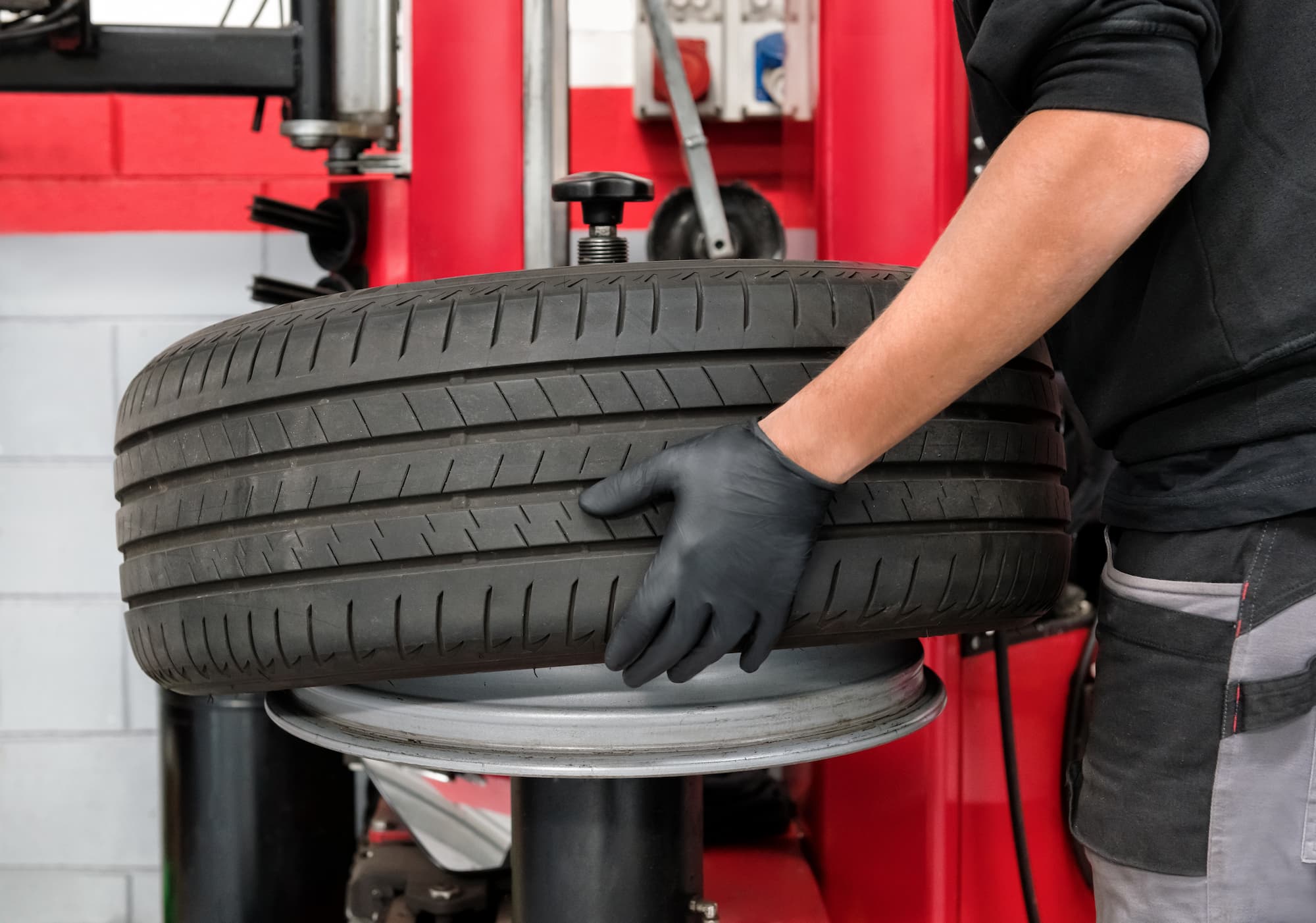
a technician rotating car tires

How Often Should You Rotate Your Tires on a GMC?

Most GMC trucks and SUVs require tire rotations every 5,000 to 7,500 miles, which conveniently aligns with routine oil change intervals. Vehicles with active 4WD or AWD systems, as well as trucks used for heavy towing, may need rotations every 3,000 to 5,000 miles. Regular rotations promote balanced tread wear, protect complex drivetrain components, improve fuel efficiency, and extend total tire life. Proper tire care is one of the easiest ways to protect your vehicle's performance, handling, and safety. Visalia GMC helps drivers throughout Tulare County, Fresno, Porterville, and Lindsay keep their trucks and SUVs running at peak performance. Whether you drive a dependable Sierra 1500 or a roomy Yukon, knowing how often to rotate tires prevents uneven tread wear and costly early replacements. Following a consistent maintenance schedule preserves ride quality and protects your vehicle investment. Recommended Tire Rotation Intervals for GMC Models As a general rule, GMC recommends rotating tires every 5,000 to 7,500 miles, or roughly every six months. A practical habit is requesting a rotation during every scheduled oil change. Pairing these services keeps your maintenance on track while allowing certified technicians to inspect tread depth regularly. Certain driving habits and vehicle drivetrains impact how often to rotate tires: Rear-Wheel Drive and Front-Wheel Drive: Standard rear-wheel drive trucks and front-wheel drive crossovers experience uneven weight distribution. Rotating tires every 5,000 to 7,500 miles balances front and rear tread wear. Four-Wheel Drive and All-Wheel Drive: Vehicles with active 4WD or AWD systems send power to all four wheels, causing tires to wear down faster. A shorter 3,000 to 5,000 mile interval helps maintain uniform tread depth across both axles. Heavy Towing and Hauling: Frequently pulling heavy trailers or hauling cargo around Fresno and Porterville puts added stress on rear tires, requiring more frequent rotations. Why Regular Tire Rotation Matters Tires are the only point of contact between your truck and the road. Because steering, braking, and drive power affect front and rear tires differently, tread wears unevenly when tires remain in one position. Key benefits of routine tire rotations include: Extended Tread Life: Moving tires around the vehicle distributes weight and friction evenly over time, maximizing overall tire lifespan. Smoother and Quieter Ride: Uneven tread wear causes road noise and steering wheel vibration. Uniform tread depth keeps highway driving comfortable. Less Drivetrain Strain: On 4WD and AWD models like the GMC Yukon or Sierra, differing tire sizes from uneven wear place unnecessary stress on transfer cases and differentials. Reliable Traction: Balanced tread depth ensures reliable grip during rainy weather across Lindsay and Visalia. Signs Your Tires Need Attention Watching for visual indicators helps prevent unexpected tire issues between service visits: Visible Tread Depth Differences: If front tires look noticeably flatter or smoother than rear tires, a rotation is past due. Steering Wheel Vibration: Vibrations felt through the steering wheel at highway speeds signal uneven wear or wheel imbalance. Edge Feathering: Uneven wear along tread edges indicates delayed rotations or alignment needs. Schedule Certified GMC Service in Visalia Keeping up with maintenance is simple with experienced factory-trained professionals. The Groppetti Automotive Family brings decades of automotive dedication to the Central Valley, providing multi-point inspections, computerized wheel balancing, and complete tire care. When your truck or SUV is due for service, visit our modern facility or view our current maintenance offers. Schedule your next service appointment online today or call our service team at 559-827-4225 to keep your vehicle running smoothly! Photographer: Photology1971 / Shutterstock