

Blog

Closeup view of car brake disc and caliper in mechanic garage.

How Long Do Brakes Last on a GMC Truck or SUV?

The lifespan of brake pads depends heavily on driving conditions and habits. Squealing, grinding, vibration, longer stopping distances, or a soft brake pedal can signal that service is needed. Some newer GMC vehicles include a Brake Pad Life Monitor that estimates remaining pad life. Regular inspections are the best way to know when pads, rotors, or other brake components need attention. If you drive a GMC Sierra, Yukon, Acadia, Terrain, or another GMC model around Visalia, you may eventually wonder: how long do the brakes last? Visalia GMC helps local drivers maintain their vehicles with Certified Service built around GMC systems and recommended maintenance practices. The most important thing to know is that brakes do not wear out on a fixed schedule. How you drive, where you drive, what you tow, and the condition of the braking system all play a role. There Is No One Mileage for Brake Replacement There are no specific mileage intervals for brake service because brake wear varies by driving habits and conditions. That is why brake components are inspected during a GMC Multi-Point Vehicle Inspection. A driver who spends most of the time cruising on open roads may experience different brake wear than someone who deals with frequent stop-and-go traffic. Brake life can also be affected by: Frequent towing or hauling Repeated hard braking Stop-and-go city driving Steep grades Vehicle load Brake pad material Driving style For GMC truck and SUV owners who use their vehicles for towing, work, or heavier loads, regular brake checks are especially important. What About Brake Rotors? Brake rotors do not always need to be resurfaced or replaced when the brake pads are changed. If you are not feeling vibration when braking and the rotor still has enough thickness, it may still be in good condition. A technician should check the rotors for wear, grooves, heat damage, and thickness before deciding whether they need service or replacement. Watch for Brake Warning Signs Brake problems often give you some warning before they become more serious. There are several signs that should prompt an inspection: Chirping, squealing, or whistling Grinding noises Longer stopping distances A spongy brake pedal Vibration through the pedal or steering wheel Pulling to one side while braking Brake pads may also include wear indicators designed to make noise as the friction material becomes thin. GMC recommends replacement at or before the pads reach about 2 mm of remaining friction material. If you notice a sudden change in braking feel or stopping performance, do not wait for your next routine service visit. Your GMC May Help Track Brake Pad Life Some GMC vehicles have a Brake Pad Life Monitor that can help you keep an eye on how much pad life remains. The system estimates the remaining life of the front and rear brake pads based on vehicle use and driving habits. As the pads wear down, you may see an estimated percentage or mileage remaining in the Driver Information Center. It is a helpful tool, but it should not take the place of a brake inspection. Your brake pads are only one part of the system. The rotors, calipers, hoses, brake lines, and other components also need to be checked to make sure everything is working properly. How Often Should You Have Your Brakes Checked? We recommend having the brakes inspected or serviced at least every 7,500 miles. Brake components wear at different rates, so an inspection can identify changes before they turn into larger repair needs. Schedule GMC Brake Service in Visalia If your brakes are making noise, your pedal feels different, or you simply want to know how much life is left in your pads and rotors, an inspection can give you a clear answer. Our Certified Service team works with GMC trucks and SUVs and uses GM Genuine Parts and ACDelco components when replacement is needed. Learn more about GMC brake service or schedule a service appointment at Visalia GMC. You can also call our service department at 559-827-4225 or visit us at 1313 E Main Street, Visalia, CA 93292. Image Source: Parilov / Shutterstock

Read More
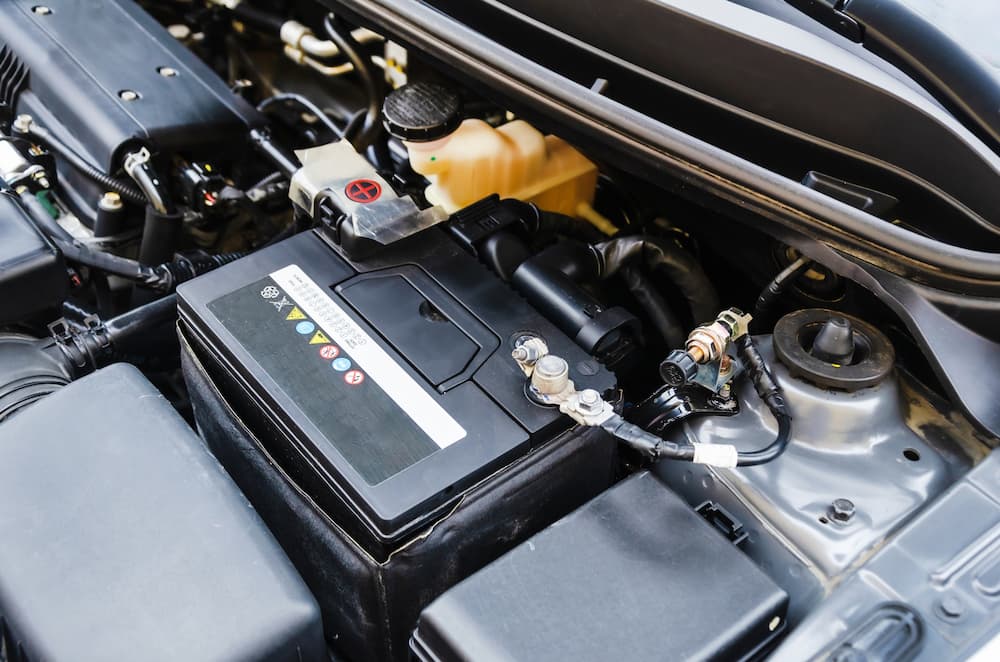
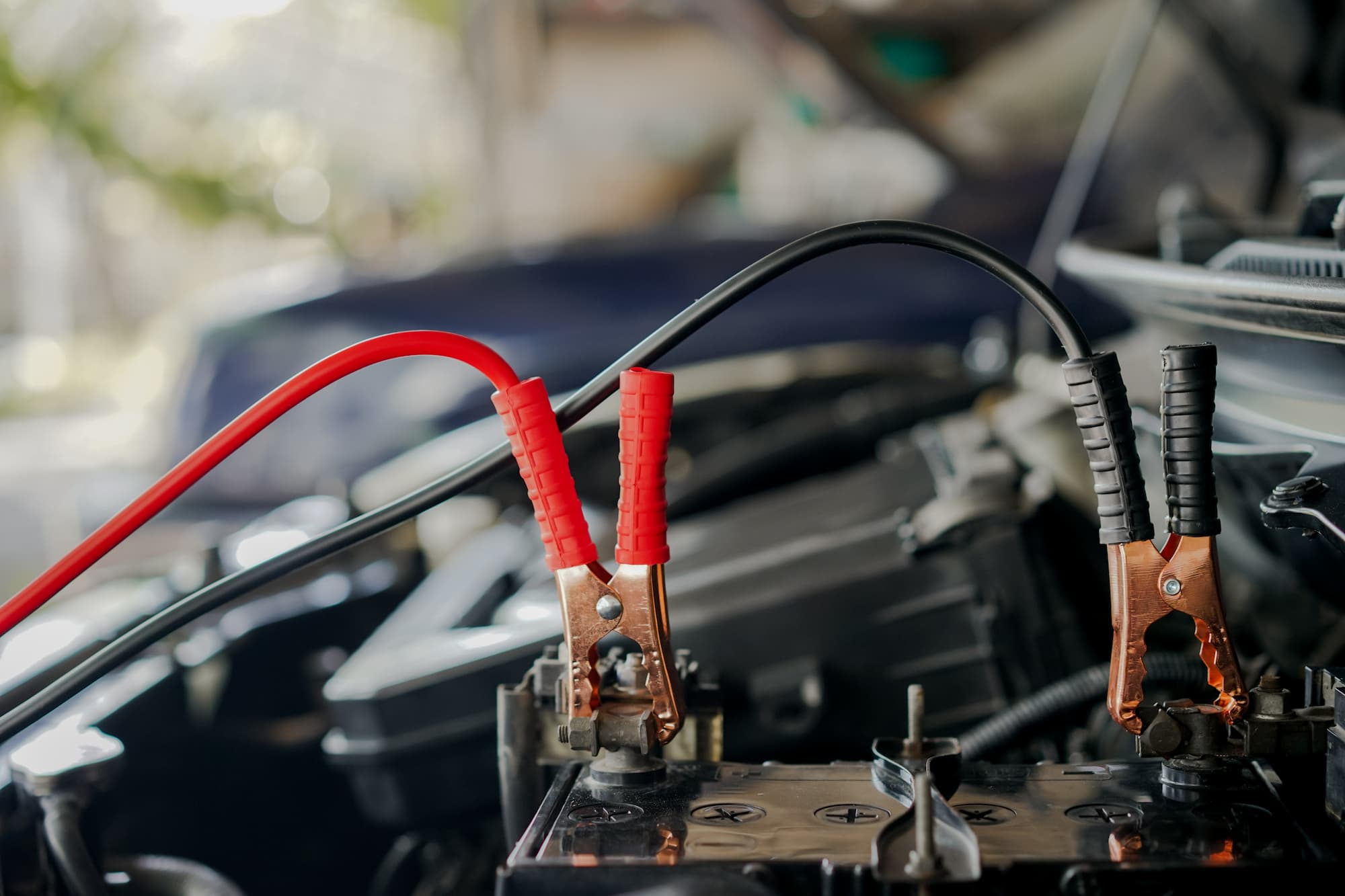
a dead car battery being started with jumper cables

When to Replace Your Car Battery: Signs, Lifespan, and What to Do Next

Most traditional vehicle batteries last about three to five years. Slow starting, repeated jump-starts, corrosion, or warning lights can signal a weakening battery. Testing the battery can help determine whether the problem is the battery, alternator, starter, or another component. A car that suddenly takes longer to start can leave you wondering whether the battery is about to fail. Visalia GMC helps drivers throughout Visalia, Tulare County, Fresno, Porterville, and Lindsay identify battery problems before they turn into an unexpected no-start situation. Knowing when to replace a car battery components comes down to age, performance, and what a proper battery test shows. How Long Does a Car Battery Usually Last? GMC states that traditional vehicle batteries typically last about three to five years, although actual lifespan varies. Hot weather, driving habits, frequent short trips, long periods without driving, and time spent in a discharged state can all shorten battery life. Central Valley heat can be especially hard on automotive batteries. Even if your vehicle is still starting normally, it is worth paying closer attention once the battery approaches the three-year mark. Regular battery testing during routine maintenance can give you a better idea of its condition before performance noticeably declines. What Are the Signs of a Weak Car Battery? A battery does not always fail without warning. Common signs that it may be losing strength include: The engine cranks more slowly than usual You hear clicking when trying to start the vehicle The battery needs frequent jump-starts The battery does not hold a charge Corrosion appears around the terminals The battery case looks swollen, cracked, or damaged Warning lights appear on the dashboard GMC notes that a no-start condition can also be caused by an alternator, loose cable, starter issue, or another charging-system problem, so testing is important before assuming the battery itself is the cause. Does a Warning Light Mean the Battery Is Bad? Not necessarily. A battery or charging-related warning can point to more than one problem. The alternator charges the battery while the engine is running. If the alternator is not working correctly, the battery may lose its charge even if the battery itself was originally healthy. Loose connections or starter problems can create similar symptoms. A professional inspection can be more useful than simply replacing the battery based on a warning light alone. Should You Replace a Battery Before It Fails? In some cases, yes. If a battery is several years old and testing shows that its capacity is declining, replacing it proactively can help reduce the chance of being stranded. This can be especially helpful if you depend on your vehicle for a daily commute, regular highway travel, or long trips away from home. If the battery is younger and tests well, replacement may not be necessary. A technician can check battery health and the starting and charging systems to help identify the actual problem. How Can You Help Your Battery Last Longer? A few simple habits can support battery life: Keep the terminals clean and free of corrosion Avoid leaving lights or accessories on when the engine is off Drive the vehicle regularly rather than letting it sit for long periods Have the battery tested during routine service Address charging-system problems promptly GMC recommends periodic battery inspections and conductance testing as part of regular vehicle maintenance. Schedule Battery Service in Visalia If your GMC is slow to start, needs repeated jump-starts, or has a battery that is several years old, it may be time for a professional test. Our Certified Service technicians can inspect the battery and starting system, explain what they find, and help with replacement if needed. Visalia GMC offers ACDelco battery options designed for GMC vehicles. Visit our battery service page or call our Service Department at 559-827-4225 to schedule an appointment. Photographer: Mr.Anuwat Rumrod /Shutterstock
a technician rotating car tires

How Often Should You Rotate Your Tires on a GMC?

Most GMC trucks and SUVs require tire rotations every 5,000 to 7,500 miles, which conveniently aligns with routine oil change intervals. Vehicles with active 4WD or AWD systems, as well as trucks used for heavy towing, may need rotations every 3,000 to 5,000 miles. Regular rotations promote balanced tread wear, protect complex drivetrain components, improve fuel efficiency, and extend total tire life. Proper tire care is one of the easiest ways to protect your vehicle's performance, handling, and safety. Visalia GMC helps drivers throughout Tulare County, Fresno, Porterville, and Lindsay keep their trucks and SUVs running at peak performance. Whether you drive a dependable Sierra 1500 or a roomy Yukon, knowing how often to rotate tires prevents uneven tread wear and costly early replacements. Following a consistent maintenance schedule preserves ride quality and protects your vehicle investment. Recommended Tire Rotation Intervals for GMC Models As a general rule, GMC recommends rotating tires every 5,000 to 7,500 miles, or roughly every six months. A practical habit is requesting a rotation during every scheduled oil change. Pairing these services keeps your maintenance on track while allowing certified technicians to inspect tread depth regularly. Certain driving habits and vehicle drivetrains impact how often to rotate tires: Rear-Wheel Drive and Front-Wheel Drive: Standard rear-wheel drive trucks and front-wheel drive crossovers experience uneven weight distribution. Rotating tires every 5,000 to 7,500 miles balances front and rear tread wear. Four-Wheel Drive and All-Wheel Drive: Vehicles with active 4WD or AWD systems send power to all four wheels, causing tires to wear down faster. A shorter 3,000 to 5,000 mile interval helps maintain uniform tread depth across both axles. Heavy Towing and Hauling: Frequently pulling heavy trailers or hauling cargo around Fresno and Porterville puts added stress on rear tires, requiring more frequent rotations. Why Regular Tire Rotation Matters Tires are the only point of contact between your truck and the road. Because steering, braking, and drive power affect front and rear tires differently, tread wears unevenly when tires remain in one position. Key benefits of routine tire rotations include: Extended Tread Life: Moving tires around the vehicle distributes weight and friction evenly over time, maximizing overall tire lifespan. Smoother and Quieter Ride: Uneven tread wear causes road noise and steering wheel vibration. Uniform tread depth keeps highway driving comfortable. Less Drivetrain Strain: On 4WD and AWD models like the GMC Yukon or Sierra, differing tire sizes from uneven wear place unnecessary stress on transfer cases and differentials. Reliable Traction: Balanced tread depth ensures reliable grip during rainy weather across Lindsay and Visalia. Signs Your Tires Need Attention Watching for visual indicators helps prevent unexpected tire issues between service visits: Visible Tread Depth Differences: If front tires look noticeably flatter or smoother than rear tires, a rotation is past due. Steering Wheel Vibration: Vibrations felt through the steering wheel at highway speeds signal uneven wear or wheel imbalance. Edge Feathering: Uneven wear along tread edges indicates delayed rotations or alignment needs. Schedule Certified GMC Service in Visalia Keeping up with maintenance is simple with experienced factory-trained professionals. The Groppetti Automotive Family brings decades of automotive dedication to the Central Valley, providing multi-point inspections, computerized wheel balancing, and complete tire care. When your truck or SUV is due for service, visit our modern facility or view our current maintenance offers. Schedule your next service appointment online today or call our service team at 559-827-4225 to keep your vehicle running smoothly! Photographer: Photology1971 / Shutterstock

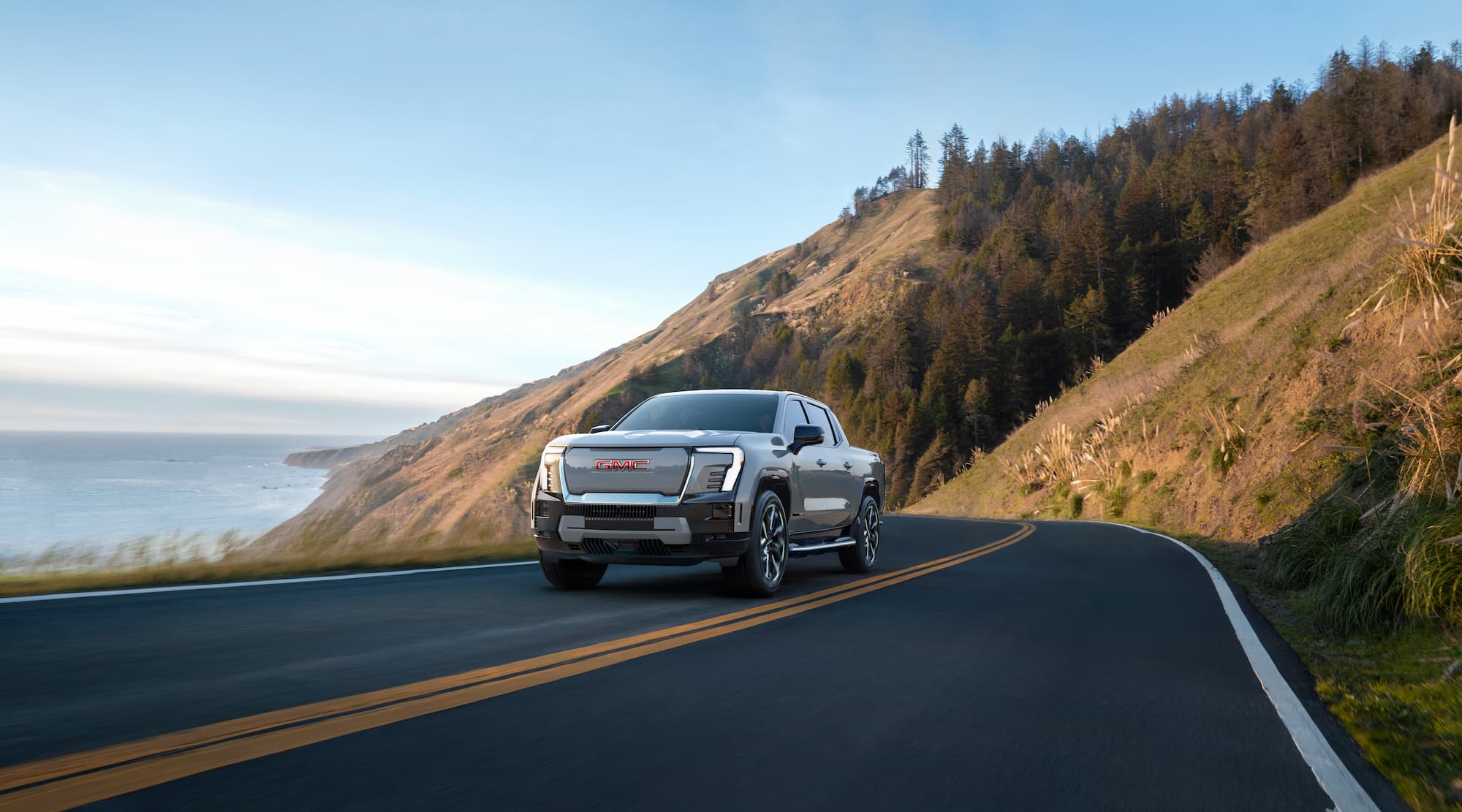
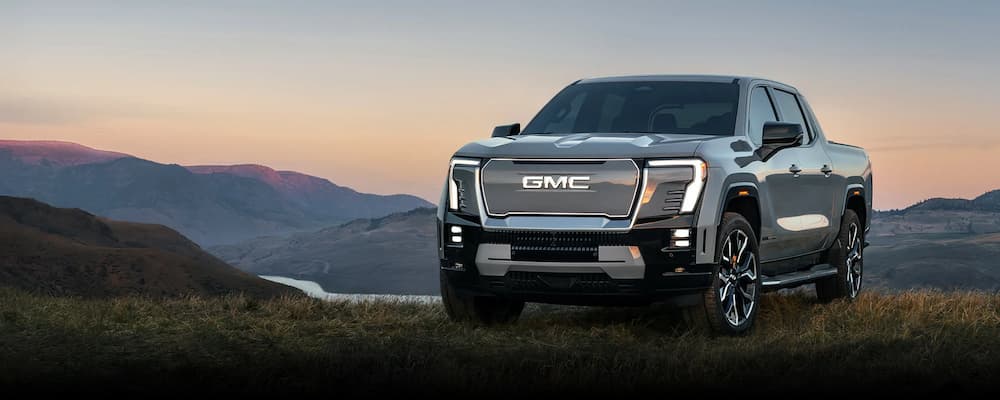
GMC Sierra EV driving on a coastal road

GMC Sierra EV Range Explained: Battery Options, Real-World Miles, and Charging Times

The GMC Sierra EV range spans from 283 miles to an exceptional 478 miles on a single charge, depending on the trim and battery configuration selected. Drivers can choose between three distinct battery options: the Standard Range pack, the Extended Range pack, and the ultimate Max Range pack. With 800-volt DC fast charging capabilities, you can restore approximately 100 miles of range in just 10 minutes at a compatible public station. The full-size electric truck market has a new standard for distance. Groppetti Auto Family and Visalia GMC offer truck enthusiasts the chance to experience a pickup that eliminates distance anxiety completely. The groundbreaking GMC Sierra EV delivers up to 478 miles of range on a single charge. If you are skeptical about whether an electric truck can handle daily commutes, demanding jobs, or weekend towing adventures throughout California, this vehicle provides the real-world capability you require. We understand that truck buyers need reliable performance, and our team is ready to show you how this heavy-duty electric vehicle changes everything. The Three Ultium Battery Configurations You can customize your driving distance through three separate battery tiers designed for different lifestyles and budgets. The lineup begins with the Standard Range pack, which comes equipped on the Elevation and Denali trims. This entry-tier option offers an EPA-estimated range of 283 miles, making it an excellent choice for local work and daily commuting. If you need greater longevity, the Extended Range battery significantly expands your capabilities, delivering an EPA-estimated 410 miles on the Elevation and Denali trims and a GM-estimated 390 miles on the rugged AT4 trim. For those who demand maximum performance without stopping, the Max Range battery pack pushes boundaries by providing an incredible GM-estimated 478 miles of range on both Denali and AT4 models. Real-World Miles and Towing Performance Real-world conditions affect all trucks, but tests show that the GMC Sierra EV's range often exceeds its official estimates in daily driving. Independent automotive tests have shown that the Extended Range Elevation and Denali Max Range models can surpass their official targets, sometimes covering over 500 miles on a single charge under optimal driving habits. An interesting statistic to note is that this truck produces up to 760 horsepower and 785 pound-feet of torque in its maximum power mode, showing that efficiency does not come at the expense of pure muscle. However, when you utilize the maximum trailering capacity of up to 12,500 pounds, you should expect your range to decrease by roughly 30 to 50 percent depending on the load shape and weight. Even with a heavy trailer attached, the Max Range version retains a highly practical towing radius for your hauling needs. Advanced Charging Times Charging this electric pickup is remarkably fast thanks to a sophisticated high-voltage electrical architecture. The Extended Range and Max Range configurations utilize an 800-volt public DC fast-charging system that accepts up to 350 kilowatts of power. This means you can add around 100 to 116 miles of range in approximately 10 minutes when using a compatible fast charger. For daily upkeep, a traditional 240-volt Level 2 home charging system fully replenishes the battery overnight in about 13 hours. Owners can easily plan long-distance travel and manage their electrical usage via the in-vehicle Energy Application or the convenient mobile phone application. Find Your Next Electric Truck Today Finding the perfect electric pickup starts with exploring our extensive selection today. We invite you to experience this combination of luxury, muscle, and efficiency firsthand. Check out our Sierra EVs to learn more about the vehicle specifications. You can also browse our online inventory or visit us in person to see which configuration fits your daily routine. Take the next step toward an emissions-free future without compromising on truck capability.

GMC Sierra

GMC Sierra EV Denali Interior: Premium Cabin, Infotainment, and Technology Features

The GMC Sierra EV Denali brings electric-truck capability to a cabin designed for comfort, confidence, and everyday convenience. At Visalia GMC, we know many drivers want more than strength from a premium truck. They also want an interior that feels refined, connected, and ready for daily life. For shoppers comparing premium electric pickups, the cabin is one of the best reasons to take a closer look. The Sierra EV Denali combines the capability expected from GMC with upscale materials, advanced screens, and thoughtful technology that supports workdays, weekend drives, and everyday travel around Visalia. A Premium Denali Cabin Built Around Comfort Inside the Sierra EV Denali, you will find a cabin that feels refined from the moment you sit down. GMC notes that the Sierra EV Denali offers heated front and rear outboard seats with quilted premium seating materials, providing both front and second-row passengers a more comfortable ride. The Denali interior also includes Galvano Chrome accents and wood décor appointments, along with an available Desert Dune light interior that gives the cabin a brighter, more upscale look. These details matter when you want an electric truck that still feels premium and substantial. Instead of focusing solely on range, power, or capability, the Sierra EV Denali makes the cabin an integral part of the ownership experience. At Visalia GMC, we see this as a strong fit for drivers who want GMC capability without giving up comfort. A Larger Infotainment Experience for Everyday Driving Technology plays a major role in the GMC Sierra EV interior. The Sierra EV includes a 16.8-inch diagonal Premium GMC Infotainment System with Google built-in compatibility and voice-activated technology. This large screen helps bring entertainment, navigation, and vehicle controls into one easy-to-use space. For daily driving, that larger display can make a real difference. Whether you are commuting through Visalia, heading toward Fresno, or planning a longer trip, the infotainment system helps keep the cabin organized and connected. It gives you a modern command center that feels natural to use from the driver’s seat. Super Cruise and Driver Focused Technology The Sierra EV Denali also brings advanced driver assistance into the cabin experience. Super Cruise hands-free driver assistance technology is one of the standout features, offering drivers a more advanced way to travel on compatible roads. The Sierra EV Denali also offers a 14-inch diagonal multicolor Head-Up Display that projects key driving information onto the windshield. That means you can keep important details in view while keeping your attention on the road ahead. Available camera views can also help with parking, maneuvering in tight spaces, or navigating busy lots. For an electric pickup with this level of capability, these technology features help make the Sierra EV Denali feel confident and easy to live with. Panoramic Glass Roof and Premium Details The interior experience continues with an available panoramic fixed glass roof. This feature helps open up the cabin, creating a more spacious feeling for both the driver and passengers. Tinted glass with infrared and UV coatings also helps support cabin comfort. The Sierra EV Denali also offers a premium Bose 7-speaker sound system with a Richbass woofer, adding another layer to the driving experience. Whether you are listening to music, podcasts, or directions, the sound system helps make time behind the wheel more enjoyable. Together, these features help the Sierra EV Denali feel less like a standard electric truck and more like a premium GMC built around comfort, technology, and presence. Explore the GMC Sierra EV Denali at Visalia GMC At Visalia GMC, we invite you to explore the Sierra EV Denali model page to learn more about available features, capabilities, and technology. You can also browse our new inventory or contact us to connect with our team. We proudly serve drivers in Visalia, Tulare County, Fresno, Porterville, and Lindsay with new and used GMC vehicles, service, and support.

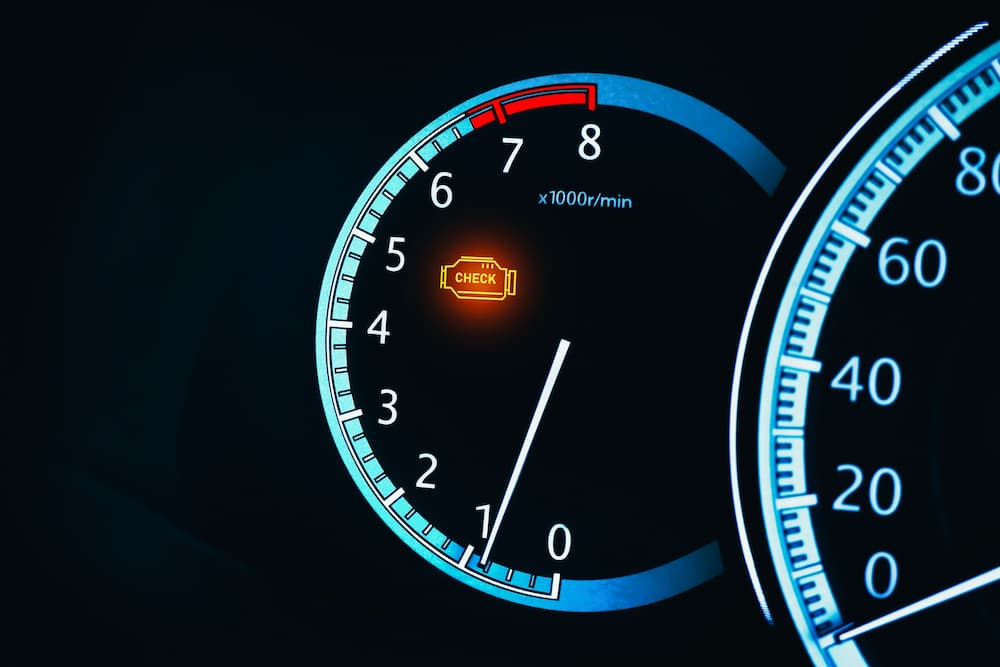
check engine light on GMC

A Guide to Common GMC Maintenance Warning Signs

Getting behind the wheel of a GMC truck is a terrific experience, as long as you take the steps to maintain its level of performance. Regular maintenance is a key element of car ownership, but understanding what kind of maintenance your truck needs and when can be difficult for many drivers. Read this article to learn which signs mean that it is time to take your truck in for GMC service. When your GMC needs service, trust the OEM-certified staff at Groppetti Auto Family’s Visalia GMC. Schedule Service Search New Contact Us Understanding Your GMC's Dashboard Warning Lights Warning lights are named warning lights for a reason. If any of the dashboard lights stay on, then there is some sort of problem with your truck that needs to be addressed. Don't wait to schedule a GMC service check. Letting issues linger often leads to more significant (and expensive) repairs later on. There are multiple warning lights on the dashboard that correlate to different systems. Here is a rundown of the most important dashboard warning lights and what they mean: Common Warning Lights and Their Meanings Check Engine Light The check engine light comes on if your truck's onboard diagnostics have detected a malfunction with the emissions or propulsion system. If you have an electric vehicle, the light may signal problems with charging. Oil Pressure Warning Light This warning light indicates that the oil pressure in your vehicle is dangerously low. If the light comes on while you're driving, pull over as soon as possible and turn the engine off. Check the oil and add more until it is within normal operating range, and restart the vehicle. If the light stays on for more than 10 seconds, turn the truck off and have it towed to avoid major engine damage. Even if the light doesn't come back on, you should still get your vehicle serviced. Coolant Temperature Warning Light This shows that your engine is overheating and needs to be turned off immediately. Overheating is often due to low coolant levels or a malfunctioning thermostat, water pump, or radiator fan. Make arrangements for your vehicle to be towed for service. Brake System Warning Light If the brake system warning light comes on and stays on instead of flashing when you turn the truck on, then there are likely problems with your vehicle's brake pads, ABS, or brake fluid level. Get your truck checked or towed ASAP if this happens. Battery/Charging System Warning Light An illuminated light that looks like a battery means that your GMC's electrical system is flawed. This may cause your truck to not start or run properly. There are several potential reasons for this to happen (failing alternator, corroded connections, a dying battery), so it is important to get a diagnosis from a trained technician promptly. Listening to Your Truck: Noises That Signal a Need for Maintenance Strange sounds are another indicator of a truck in need of maintenance and care. Here's what each noise may signify: Rattling - A part has come loose on the underbody of your truck. Squealing/Screeching - If you hear any high-pitched squeal when you hit the brakes, then it's a sign that your brake pads need to be replaced. If this sound turns into a grinding tone, then the brake pads have worn down completely, and other pieces of equipment may require attention. Knocking - Knocking sounds usually equal engine-based problems. Thudding - A thudding sound typically means there are issues with your tire pressure or alignment. If you hear any of this while you're behind the wheel, get your truck inspected at the nearest Visalia GMC dealership. Performance Issues: When to Schedule GMC Maintenance If you notice your truck driving differently than usual in the following ways, then your vehicle needs a round of maintenance: Vibrations- The feeling of vibrations through your steering wheel or pedals while driving could be a sign of underlying issues with your tires, brakes, or suspension system. Decrease in Power - If you feel that your truck is less responsive or isn't as fuel-efficient as it should be, then it is time to get your vehicle serviced. It could be a minor issue like tire pressure or something more serious. Struggle to Shift Gears - If your truck has a manual transmission, unexpected difficulty shifting gears could be a sign of a faulty clutch system. Fluid leaks - Fluid leaks could arise from your engine, brakes, or transmission and should be inspected as soon as they arise. Difficulty Slowing Down/Braking - If you're truck is having problems slowing into turns or braking, it may be a sign that the braking systems are in disrepair or your tires have worn out and need to be replaced. The Importance of Quick Action and Preventive Maintenance If any of the warning signs apply to your current situation, then you must get your truck serviced before any issues snowball and force you to spend more time and money getting your car fixed when immediate intervention could get you back on the road with minimal fuss. But even if your car appears to be working as intended, there's still plenty of value in scheduling a GMC service check. This gives you the peace of mind of knowing your truck is in good condition, letting you go about your daily activities with more confidence. Preventive maintenance also allows you to catch any minor malfunctions before they begin to impact your driving experience. Schedule Your GMC Maintenance Check at Visalia GMC At Visalia GMC, we understand how important it is for every driver to trust that their car will move as intended at all times. Our GMC service team has the passion and knowledge to help visitors keep their truck in good condition with detailed checkups and repairs. If you're interested in scheduling a maintenance check or have any other questions you want to ask, please contact us today. GMC Maintenance Warning Signs FAQ What are the most important dashboard warning lights to watch for? Key warning lights include the check engine, oil pressure, coolant temperature, brake system, and battery/charging system lights. If any stay on, schedule service quickly to avoid bigger repairs. What noises indicate my GMC needs maintenance? Rattling may mean loose parts, squealing signals worn brake pads, knocking often points to engine issues, and thudding may indicate tire or alignment problems. What performance changes should make me schedule GMC service? Vibrations, reduced power or fuel efficiency, trouble shifting gears, fluid leaks, or difficulty braking are all signs that your truck needs attention. Why is quick action and preventive maintenance important? Addressing issues early prevents costly damage and keeps your GMC running safely. Regular checkups also catch small problems before they affect performance. Image Source: PixieMe /Shutterstock

new car

Top Signs Your GMC Truck Needs Service

Getting behind the wheel of a GMC truck is a terrific experience, as long as you take the steps to maintain its level of performance. Regular maintenance is a key element of car ownership, but understanding what kind of maintenance your truck needs and when can be difficult for many drivers. Read this article to learn which signs mean that it is time to take your truck in for GMC service. When your GMC needs service, trust the OEM-certified staff at Groppetti Auto Family’s Visalia GMC. Dashboard Warning Lights Warning lights are named warning lights for a reason. If any of the dashboard lights stay on, then there is some sort of problem with your truck that needs to be addressed. Don't wait to schedule a GMC service check. Letting issues linger often leads to more significant (and expensive) repairs later on. There are multiple warning lights on the dashboard that correlate to different systems. Here is a rundown of the most important dashboard warning lights and what they mean: Common Warning Lights and Their Meanings Check Engine Light - The check engine light comes on if your truck's onboard diagnostics have detected a malfunction with the emissions or propulsion system. If you have an electric vehicle, the light may signal problems with charging. Oil Pressure Warning Light - This warning light indicates that the oil pressure in your vehicle is dangerously low. If the light comes on while you're driving, pull over as soon as possible and turn the engine off. Check the oil and add more until it is within normal operating range, and restart the vehicle. If the light stays on for more than 10 seconds, turn the truck off and have it towed to avoid major engine damage. Even if the light doesn't come back on, you should still get your vehicle serviced. Coolant Temperature Warning Light - This shows that your engine is overheating and needs to be turned off immediately. Overheating is often due to low coolant levels or a malfunctioning thermostat, water pump, or radiator fan. Make arrangements for your vehicle to be towed for service. Brake System Warning Light - If the brake system warning light comes on and stays on instead of flashing when you turn the truck on, then there are likely problems with your vehicle's brake pads, ABS, or brake fluid level. Get your truck checked or towed ASAP if this happens. Battery/Charging System Warning Light - An illuminated light that looks like a battery means that your GMC's electrical system is flawed. This may cause your truck to not start or run properly. There are several potential reasons for this to happen (failing alternator, corroded connections, a dying battery), so it is important to get a diagnosis from a trained technician promptly. Unusual Noises While Driving Strange sounds are another indicator of a truck in need of maintenance and care. Here's what each noise may signify: Rattling - A part has come loose on the underbody of your truck. Squealing/Screeching - If you hear any high-pitched squeal when you hit the brakes, then it's a sign that your brake pads need to be replaced. If this sound turns into a grinding tone, then the brake pads have worn down completely, and other pieces of equipment may require attention. Knocking - Knocking sounds usually equal engine-based problems. Thudding - A thudding sound typically means there are issues with your tire pressure or alignment. If you hear any of this while you're behind the wheel, get your truck inspected at the nearest Visalia GMC dealership. Vehicle Driving Differently If you notice your truck driving differently than usual in the following ways, then your vehicle needs a round of maintenance: Vibrations- The feeling of vibrations through your steering wheel or pedals while driving could be a sign of underlying issues with your tires, brakes, or suspension system. Decrease in Power - If you feel that your truck is less responsive or isn't as fuel-efficient as it should be, then it is time to get your vehicle serviced. It could be a minor issue like tire pressure or something more serious. Struggle to Shift Gears - If your truck has a manual transmission, unexpected difficulty shifting gears could be a sign of a faulty clutch system. Fluid leaks - Fluid leaks could arise from your engine, brakes, or transmission and should be inspected as soon as they arise. Difficulty Slowing Down/Braking - If you're truck is having problems slowing into turns or braking, it may be a sign that the braking systems are in disrepair or your tires have worn out and need to be replaced. The Importance of Quick Action and Preventive Maintenance If any of the warning signs apply to your current situation, then you must get your truck serviced before any issues snowball and force you to spend more time and money getting your car fixed when immediate intervention could get you back on the road with minimal fuss. But even if your car appears to be working as intended, there's still plenty of value in scheduling a GMC service check. This gives you the peace of mind of knowing your truck is in good condition, letting you go about your daily activities with more confidence. Preventive maintenance also allows you to catch any minor malfunctions before they begin to impact your driving experience. Noticing Something Off with Your GMC Truck? Our Service Team Is Here for You At Visalia GMC, we understand how important it is for every driver to trust that their car will move as intended at all times. Our GMC service team has the passion and knowledge to help visitors keep their truck in good condition with detailed checkups and repairs. If you're interested in scheduling a maintenance check or have any other questions you want to ask, please contact us today. FAQs What does it mean when the check engine light comes on in a GMC truck? The check engine light indicates that your truck's onboard diagnostics have detected a malfunction with the emissions or propulsion system. On electric vehicles it may signal problems with charging. The light should not be ignored as letting issues linger often leads to more significant and expensive repairs. What do unusual noises while driving a GMC truck mean? Different sounds point to different problems. Rattling usually means a part has come loose on the underbody. Squealing or screeching when braking signals worn brake pads. Knocking sounds typically indicate engine-based problems, and thudding usually points to issues with tire pressure or alignment. Why is my GMC truck vibrating while driving? Vibrations felt through the steering wheel or pedals while driving could indicate underlying issues with your tires, brakes, or suspension system and should be inspected promptly. What is the benefit of preventive maintenance on a GMC truck? Preventive maintenance allows you to catch minor malfunctions before they begin to impact your driving experience, saving you time and money compared to waiting until a problem forces a more significant repair. Image Source: PixieMe /Shutterstock

oil change

How Often Does Your GMC Need an Oil Change?

Most GMC vehicles require an oil change every 7,500 miles or 12 months, depending on driving habits and model year. Your vehicle’s Oil Life Monitor tracks engine conditions and will alert you when it’s time for service. Regularly changing your oil helps maintain engine performance, improve fuel efficiency, and extend the life of your GMC. When using the recommended Dexos1 Full Synthetic oil, your GMC needs an oil change every 7,500 miles or 12 months, whichever comes first. This is the baseline recommendation from GMC's sophisticated Oil Life Monitor system, which uses multiple data points to determine optimal oil change intervals. However, because the system is tailored to your unique vehicle and driving habits, that recommendation may change. Most GMC owners can safely follow their vehicle's Oil Life Monitor, which provides an oil life indicator on the dashboard. It replaces outdated and arbitrary mileage replacement schedules with an intelligent system that analyzes your vehicle's conditions in real time, including engine temperatures, load, RPM patterns, and trip lengths, to provide personalized oil change timing. Schedule Service Search New Contact Us When to Get an Oil Change To read your Oil Life Monitor recommendation, simply look at the percentage displayed on your dashboard for the oil life. As the oil life begins to lower, the system will send a "Change Engine Oil Soon" message, indicating that it's time for service. Because it's a tailored result, you'll never spend money on an oil change you didn't need or let your engine go without lubrication. The Basics Mileage intervals vary by oil type and driving conditions. By default, the 7,500 miles recommended by GMC is a good guess. However, severe driving can cut this number in half. The use of conventional oil, which has inferior thermal stability compared to synthetic oil, can also drastically decrease the number of miles you can go without an oil change. GMC engines are designed with Dexos1-approved synthetic oil in mind. It's specially formulated to handle the advanced technologies in a modern GMC engine, such as Gasoline Direct Injection (GDI) and turbocharging. Using the correct oil not only keeps your engine safe but also keeps your warranty valid. Other Factors That Affect the Lifespan of Your GMC's Oil Let's take a deeper look at the factors that can impact the lifespan of your GMC's oil. Vehicle Type GMC trucks and SUVs that are used for towing experience greater engine stress than those that aren't. In these vehicles, turbocharger temperatures can reach over 1,000 degrees. This extreme heat accelerates oil breakdown, reducing the time needed before an oil change. Driving Habits We've already seen how 'severe' driving can reduce the lifespan of engine oil. However, many people fail to realize that their driving habits qualify as 'severe.' Although 6% of drivers estimate their driving to be severe, over half actually meet the definition. This includes frequent short trips, stop-and-go traffic, extreme temperatures, or dusty environments. Time Oil degrades simply by sitting idle. Moisture accumulates, temperatures fluctuate, and additives deplete even when you aren't driving. This is why GMC requires annual oil changes even if you haven't reached any mileage threshold. Check Your Oil Yourself Keeping an eye on your oil levels is a quick and easy process that can prevent engine damage. To do so: Wait 15-30 minutes after driving Park on level ground Locate the dipstick near the engine block Pull it out and wipe it clean Reinsert it fully and remove it again Check that the oil level is between the minimum and maximum marks. Beyond checking the oil manually or relying on the Oil Life Monitor, there are other things that might indicate the need for an oil change: Dark, thick oil or a gritty texture Metal particles in the oil A milky appearance to the oil Fresh oil will be amber-colored and flow smoothly. Schedule Your Next Oil Service with Visalia GMC Visalia GMC has certified technicians who have a deep understanding of your vehicle's requirements and quirks. We use only GM-approved oil to provide maximum protection. When you bring your GMC to Visalia for an oil change, we'll reset your Oil Life Monitor properly and perform a comprehensive multi-point inspection. Contact Visalia GMC today to schedule your next oil change and keep your GMC operating at its best. FAQs How often does a GMC need an oil change? Most GMC vehicles require an oil change every 7,500 miles or 12 months using Dexos1 Full Synthetic oil, whichever comes first. However, severe driving conditions such as frequent short trips, stop-and-go traffic, towing, or extreme temperatures can reduce this interval significantly. What is the GMC Oil Life Monitor? The GMC Oil Life Monitor is an intelligent system that analyzes real-time engine conditions including temperatures, load, RPM patterns, and trip lengths to provide personalized oil change timing. It replaces arbitrary mileage schedules and will display a "Change Engine Oil Soon" message when service is needed. What type of oil does a GMC require? GMC engines are designed for Dexos1-approved synthetic oil, which is specially formulated for advanced technologies like Gasoline Direct Injection and turbocharging. Using the correct oil maintains engine protection and keeps your warranty valid. How do you check your GMC's oil level at home? Wait 15 to 30 minutes after driving, park on level ground, locate the dipstick near the engine block, pull it out and wipe it clean, reinsert it fully, then remove it again and check that the oil level falls between the minimum and maximum marks. Image Source: New Africa /Shutterstock

car maintenance

GMC Maintenance Tips

A well-maintained GMC will last significantly longer than those that are neglected by their owners. At Visalia GMC, we employ factory-trained technicians who know every inch of your vehicle. Using state-of-the-art diagnostic equipment and GM Genuine parts, they'll help you get the maximum life out of your investment. The car maintenance tips will help you understand how to best keep your vehicle healthy. Schedule Service Search New Contact Us Preventive maintenance keeps your investment protected Preventative car maintenance can be broken down into several key areas: Oil Changes Regular oil changes are the foundation of long vehicle life. GMC's Oil Life System monitors your remaining oil percentage to determine the optimal change intervals. Visalia GMC's certified technicians understand the oil grade requirements of GMC in general and your vehicle in particular, ensuring maximum protection. Coolant System Keeping your coolant system working properly will keep your engine from overheating. Heat problems are a major source of engine failure, making proper coolant maintenance an important part of vehicle longevity. We offer comprehensive coolant system assessments to identify issues and fix them before they become problems. Brake System Well-performing brakes save lives and money. Properly maintained brakes last between 25,000 and 70,000 miles, depending on driving conditions. Visalia GMC's brake specialists will check the wear on your brakes, evaluate their stopping power, service brake fluid levels, and make any repairs necessary to keep you safe. Tire Maintenance Your tires are crucial for maintaining control of your vehicle and keeping its fuel efficiency optimal. In fact, properly maintained tires can improve gas mileage by up to 3%. Our tire services include rotation, balancing, alignment assessment, and pressure monitoring. Battery Service Nobody wants to be out and about only to find out that their battery is dead and their car won't start. To ensure your car always starts when you need it to, don't skip regular maintenance of your battery. Our technicians will assess your battery performance and, if needed, replace it with genuine ACDelco components. Stay on top of service tasks Now that you know what to maintain, let's look at how to best schedule and organize those procedures. Thankfully, GMC's integrated Oil Life Monitoring System takes the guesswork out of maintenance. It calculates optimal service intervals based on the actual driving conditions your car experiences. It takes engine temperature, RPM, and trip length into account, rather than relying on outdated mileage-only schedules. Schedule Regular Multi-Point Inspections To catch small issues before they turn into something more serious, schedule regular multi-point inspections every 6 months. Visalia GMC's comprehensive inspection systems use a color-coded assessment. Red indicators need immediate attention, while yellow indicators should be addressed as soon as possible. Keep Detailed Records Whenever you have maintenance performed, keep a record of the work done. Well-organized maintenance records are an important part of maintaining warranty coverage and resale value. GMC vehicles with documented service histories retain 15% more value than those without proper records. Signs you need maintenance or repair In addition to regular maintenance, your vehicle sometimes lets you know that it needs professional attention. You just need to know what to look for. Dashboard warning lights: This indicates when your GMC's computer system has detected issues that need professional attention. Unusual noises: Anytime you hear unusual sounds during braking, acceleration, or steering, it may indicate wear in important safety systems. Fluid leaks: Regularly check under your parked vehicle to look for fluid leaks. Various crucial fluids may leave drops or puddles on the ground when your car is parked. Performance changes: Rough idling, reduced acceleration, or poor fuel economy can all suggest problems with your vehicle's systems. Tire wear patterns: When something is wrong with your alignment, suspension, or tire inflation, your tire tread will wear unevenly. Ready to test drive your new car? If you're maintaining your current GMC, Visalia GMC's service department will ensure that it always operates at peak performance. If you are looking to purchase a new GMC, our sales team will help you find the perfect vehicle and arrange for a test drive. For more information, stop by our dealership or contact us today. Image Source: zedspider /Shutterstock

how much weight can a gmc sierra 1500 tow

How Much Weight can a GMC Sierra 1500 Tow

The GMC Sierra 1500 is a beast of a vehicle, sporting a host of great features that any truck owner could be proud of. Like many trucks, though, it’s only as good as its towing capacity. If you’re considering buying this truck, learn how much the GMC Sierra 1500 can tow across its various models and configurations to help you decide what’s right for you. Schedule Service Search New Contact Us What Is a Vehicle’s Towing Capacity? Anyone planning to haul heavy loads, trailers, or other vehicles will need to know the towing capacity of the GMC Sierra 1500. It defines the maximum weight a vehicle can tow safely, ensuring the vehicle remains undamaged and driving conditions stay secure. Exceeding this limit can lead to mechanical issues and unsafe driving. Several factors work in tandem to determine a vehicle's towing capacity. The engine type is one such factor, as more powerful engines generally support higher towing limits. The drivetrain also matters; four-wheel drive (4WD) systems often provide better traction and control than two-wheel drive (2WD), especially on tough terrain. The vehicle's configuration, including cab size and bed length, affects weight distribution and stability during towing. The axle ratio is another consideration, balancing fuel efficiency with towing power. The GMC Sierra 1500’s Towing Capacity in Detail The GMC Sierra 1500 stands out for its towing prowess. Its capacity varies across models and configurations, with the top-performing setup capable of hauling up to 13,200 pounds. This makes it ideal for towing hefty trailers, boats, and even some fifth-wheel campers. Different trims and packages offer varied towing capabilities. The Max Trailering Package, for example, is engineered to optimize towing performance with features like enhanced cooling systems and heavy-duty suspension components, boosting its towing potential. Engine Options and Their Impact on Towing The Sierra 1500 offers several engine choices, each influencing towing capacity. The 2.7-liter Turbo engine provides adequate towing power for everyday use. For those needing more muscle, the 5.3-liter V8 is a popular option, offering a significant increase in towing capability. For maximum towing power, the 6.2-liter V8 is the top choice. When properly configured, it achieves the Sierra 1500's peak towing capacity of 13,200 pounds. The 3.0-liter Duramax Turbo-Diesel engine balances power and fuel efficiency, appealing to those who prioritize economy without compromising towing strength. Features That Enhance Towing The Sierra 1500 is equipped with features that enhance towing safety and efficiency. Trailer sway control helps maintain stability by automatically applying brakes if the trailer begins to sway. The tow/haul mode adjusts transmission shifts for smoother handling of heavy loads. An integrated trailer brake controller allows drivers to manage the trailer's brakes from the cabin, offering better control. Considerations When Towing With a GMC Sierra 1500 When towing with a Sierra 1500, account for things like payload capacity and weight distribution. Exceeding the truck's payload capacity can affect towing stability. Proper weight distribution, possibly with a weight distribution hitch, helps maintain balance. Safe towing practices include regular maintenance checks, proper tire inflation, and securing all towing equipment. Understanding your specific Sierra 1500 model's limits and staying within its towing capacity helps you avoid mechanical issues and ensure safe driving. Find the Right Sierra 1500 for Your Towing Needs The GMC Sierra 1500 stands out as a robust and adaptable truck designed to meet a wide range of towing needs. With a top towing capacity reaching 13,200 pounds when optimally configured, it's a dependable option for both work and recreational hauling. Contact the team at Visalia GMC to learn more about this truck and find the best match for your towing demands. Arrange a test drive to showcase the Sierra 1500's capabilities.

replacing a battery

What Size Battery for GMC Sierra 1500

Choosing the right battery size for your GMC Sierra 1500 is crucial for ensuring optimal performance and reliability. Whether you're a seasoned car enthusiast or someone considering a new vehicle purchase, understanding the specific battery requirements for the Sierra 1500 can enhance your driving experience and prevent potential issues down the road. Understanding Battery Specifications for the GMC Sierra 1500 Selecting the correct battery for your GMC Sierra 1500 is about ensuring the vehicle performs at its best under various conditions. The right battery size directly impacts the starting power, especially in cold weather, and the overall reliability of your vehicle. Key battery specifications to consider include cold cranking amps (CCA) and reserve capacity (RC). Cold-cranking amps measure the battery’s ability to start an engine in cold temperatures, which is crucial for those living in colder climates. Reserve capacity, on the other hand, indicates how long the battery can power the vehicle’s electrical system if the alternator fails. What Size Battery for the GMC Sierra 1500 The recommended GMC Sierra 1500 battery size typically falls within the Group 48 or H6 category, known for its compatibility with a wide range of model years and engine types. It's important to note that variations can occur based on specific model years and engine configurations. To ensure you select the correct battery size for your specific Sierra 1500 model, it's advisable to consult the vehicle's owner manual, which provides detailed specifications tailored to your truck's requirements. Seeking advice from a professional mechanic or contacting a dealership can offer valuable insights, especially if you're considering aftermarket options or have customized your vehicle in a way that affects its power needs. Factors to Consider When Choosing a Battery When selecting a battery for your GMC Sierra 1500, several factors should influence your decision to ensure optimal performance and longevity. First, consider the climate in which you primarily drive. In colder regions, a battery with higher cold cranking amps (CCA) is essential to ensure reliable starts in low temperatures. Conversely, if you live in a warmer climate, a battery with a robust reserve capacity is beneficial to handle extended use of air conditioning and other electrical components. Your driving habits also play a crucial role. Frequent short trips can prevent the battery from fully charging, leading to a shorter lifespan. In such cases, a battery with a higher reserve capacity might be more suitable as it can better handle the frequent discharge and recharge cycles. How to Replace Your GMC Sierra 1500 Battery Replacing the battery in your GMC Sierra 1500 is a straightforward process. Before you begin, ensure you have the necessary tools: a wrench or socket set, safety gloves, and protective eyewear. First, park your vehicle on a flat surface and turn off the ignition. Open the hood and locate the battery, which is typically found on the driver's side. Start by disconnecting the negative battery cable using a wrench to loosen the nut. This step is crucial to prevent any electrical shorts. Followed by disconnecting the positive cable in the same manner. Once you detach the cables, remove any clamps or brackets securing the battery in place. Carefully lift the old battery out of the tray, ensuring you handle it with care to avoid spills or damage. Position the new battery in the tray, making sure you correctly align the terminals. Secure it with the clamps or brackets you removed earlier. Reattach the positive cable first, tightening the nut securely, followed by the negative cable. After you install the new battery, start the engine to ensure everything is functioning correctly. If the vehicle starts smoothly, close the hood and dispose of the old battery properly, as it contains hazardous materials. Many auto parts stores offer recycling services for used batteries. Schedule Service Search New Contact Us The Right Size of Battery is Essential Selecting the right battery size for your GMC Sierra 1500 is essential for maintaining optimal vehicle performance and ensuring long-term reliability. By understanding the specific requirements of your truck and taking into account factors such as climate, driving habits, and any additional electrical demands, you can make an informed decision that enhances your driving experience. Remember, consulting professionals can provide valuable guidance tailored to your vehicle's unique needs. For expert advice and assistance, consider reaching out to Visalia GMC. Our friendly and knowledgeable staff can help you choose and install the perfect battery for your Sierra 1500. Contact us today for more information on the GMC Sierra 1500. GMC Sierra 1500 Battery FAQ What size battery does a GMC Sierra 1500 need? The recommended battery size for most GMC Sierra 1500 models is Group 48 (H6), though exact requirements may vary by model year and engine. Always check your owner’s manual for specifications. What do cold cranking amps (CCA) and reserve capacity (RC) mean? CCA measures a battery’s ability to start the engine in cold temperatures, while RC indicates how long the battery can power the vehicle if the alternator fails. Both are important for reliable performance. How do I choose the right battery for my climate and driving habits? In colder climates, select a battery with higher CCA for dependable starts. For frequent short trips or extended use of electronics, prioritize a battery with higher reserve capacity. How do I replace the battery in a GMC Sierra 1500? Park on a flat surface, turn off the engine, disconnect the negative then positive cables, remove any clamps, lift out the old battery, place the new battery in the tray, secure it, reconnect positive then negative cables, and start the engine to test. Why is choosing the correct battery size important? Using the correct battery ensures optimal starting power, reliable performance, and long-term durability for your GMC Sierra 1500. Consulting a professional or the dealership can help select the best battery for your truck. Image Source: ninaveter /Shutterstock

GMC truck

Why is GMC More Expensive Than Chevy

GMC vehicles are typically more expensive than Chevy models because GMC is positioned as a more premium brand with upgraded materials, features, and styling. When comparing the GMC vs Chevy price difference, both brands share similar foundations, but GMC offers a more refined, higher-end experience, while Chevy focuses on affordability and value. Have you ever wondered why GMC trucks are more expensive than Chevy trucks? Discover the reasons behind the price difference between these two brands. As part of the same parent company, GMC and Chevy offer distinct features and qualities that cater to different audiences. Learn more about the brand positioning, engineering and design differences, technology and features, quality of materials, after-sales services, and warranties that contribute to the higher cost of GMC trucks. If you're a current GMC truck owner or are considering purchasing one, this description will help you understand the value of owning a GMC. Brand Positioning As you dig deeper into the question, "Why is GMC more expensive than Chevy?" you must first understand the brand positioning of these two companies. General Motors positions GMC as a premium brand. This means that from the get-go, GMC is designed with the intention of being a step above in terms of quality and sophistication. GMC is consistently marketed as “Professional Grade” trucks and SUVs. This implies that GMC vehicles are not just meant for regular driving but for more professional, heavy-duty tasks. Luxury and Professional-Grade Features of GMC Trucks GMC trucks are often equipped with more upscale features and materials compared to their Chevy counterparts. This includes high-end details like brushed aluminum accents, wood paneling, and plush leather seating. With more luxurious amenities as standard, GMC trucks are designed to offer a superior driving and ownership experience. These additional features and the overall premium feel of GMC trucks are key reasons why they command a higher price point than Chevy trucks. While Chevy trucks are built to be reliable and hard-working vehicles, GMC trucks are designed to provide all these characteristics plus a touch of luxury. This brand positioning aligns with the needs and expectations of their respective target consumers, making the cost difference a justifiable aspect of their purchase decision. Engineering and Design Differences GMC trucks boast unique engineering elements, such as a more robust suspension system designed for rugged terrains and a more refined transmission for smoother, more efficient power delivery. These premium design elements contribute significantly to the higher price tag of GMC trucks. For instance, the advanced suspension systems employed in GMC trucks offer superior ride comfort and off-road capabilities, while their refined transmission systems ensure excellent fuel efficiency and performance, making them worth every penny for discerning buyers. Technology and Features GMC trucks come equipped with advanced technologies and luxury features only sometimes standard in Chevy trucks. These include advanced safety features, sophisticated infotainment systems, and convenience features like power-adjustable seats and automatic climate control. These advanced features not only enhance the driving experience but also add to the vehicle's value, thus contributing to the higher price of GMC trucks. The added comfort, safety, and convenience they offer make GMC trucks an appealing choice for customers seeking a truck that combines functionality with luxury. Quality of Materials and Build What distinguishes GMC trucks and consequently influences their price is the use of more expensive, high-quality materials in their construction. Superior-quality leather, high-grade steel, and refined aluminum are frequently employed, elevating the build quality and craftsmanship of GMC trucks. The superior build quality of GMC trucks ensures their longevity and durability, making them a worthy investment for truck enthusiasts. This level of craftsmanship and detailing adds a sense of luxury. After-Sales Services and Warranties The GMC brand also offers extended warranties and after-sales services that further justify the extra costs. These benefits provide an added layer of protection and convenience, ensuring peace of mind for GMC truck owners. While the purchase price of a GMC truck might be higher, the comprehensive warranties and reliable after-sales service add value and ease to ownership, making GMC trucks a more attractive prospect for many potential customers. Get Your New GMC Today From Visalia GMC The price difference between GMC and Chevy trucks can be attributed to GMC's premium brand positioning, superior materials, advanced features, and extended warranties. While GMC trucks may come with a higher initial cost, the value of their professional-grade performance, superior build quality, and luxurious features validate the investment. If you’re considering purchasing a GMC truck, we invite you to speak with Visalia GMC for a personalized experience. Contact us online or call 559-409-7178. Challenge the roads with GMC and experience the sophisticated strength and luxury intrinsic to the brand. Schedule Service Search New Contact Us GMC vs. Chevy Trucks FAQ Why are GMC trucks more expensive than Chevy trucks? GMC is positioned as a premium, “Professional Grade” brand. They use higher-quality materials, offer advanced features, and provide extended warranties and after-sales services, which all contribute to a higher price point. What features make GMC trucks more luxurious than Chevy trucks? GMC trucks often include upscale touches like leather seating, brushed aluminum accents, wood paneling, advanced infotainment systems, power-adjustable seats, automatic climate control, and enhanced safety features. How do engineering and design differences affect GMC truck pricing? GMC trucks feature more robust suspension systems, refined transmissions, and superior build quality. These enhancements provide smoother rides, better off-road capability, and greater durability, adding value for buyers. Do GMC trucks come with better warranties or services than Chevy trucks? Yes, GMC offers extended warranties and comprehensive after-sales services, giving owners extra protection and peace of mind compared to typical Chevy offerings. Is the higher price of a GMC truck worth it? For customers seeking professional-grade performance, luxury features, superior materials, and reliable after-sales support, the extra cost of a GMC truck reflects its overall value and quality.

how much weight can a gmc sierra 1500 tow

Flat Tow Vehicles

Are you an RV enthusiast looking to tow your GMC vehicle behind your motorhome? It's helpful to know which GMC models can be flat towed for a smooth and hassle-free journey. With the proper equipment, you can flat tow GMC models such as the Acadia, Canyon, Sierra, Terrain, and Yukon. GMC Models That Can Be Flat Towed Venturing out into the open road with your RV is an exciting adventure. The ability to bring along your GMC vehicle only enhances that journey. However, not all GMC models are compatible with flat towing. In general, a two-wheel-drive vehicle should not be towed with all four wheels on the ground. Two-wheel-drive transmissions have no provisions for internal lubrication while being towed. Four-wheel-drive vehicles can be flat towed in models with a two-speed transfer case that allows you to shift the transfer case into Neutral (N). In some vehicles this is a clearly visible setting on the four-wheel-drive selector, but in others there are specific steps to accomplish this. You should consult your owner's manual to determine if your vehicle has the correct equipment and for instructions on shifting the transfer case into Neutral (N). The page numbers can generally be found in the back index under Transfer Case or Towing. IMPORTANT NOTE: Shifting the transfer case to Neutral (N) can cause the vehicle to roll even if the transmission is in Park (P). You or someone else could be seriously injured. Be sure to set the parking brake before placing the transfer case in Neutral (N). Schedule Service Search New Contact Us Towing Tips for Flat Towing GMC Vehicles Flat towing your GMC vehicle can be a thrilling part of your RV adventures. To ensure a smooth ride, you must understand the proper setup and follow safe driving practices. The following tips will make your flat towing experience safe and smooth. Proper Setup and Equipment Checks In addition to the base plate, tow bar, and supplemental braking system, always ensure that your vehicle has functioning tow lights that align with your vehicle’s lighting system. This helps other drivers on the road know your intentions, ensuring safety for all. Inspect all towing equipment, connections, and attachments before you start your drive. Regular equipment checks during your road trip can help detect any problems early, potentially preventing road mishaps or breakdowns. Safe Driving Practices While Flat Towing While flat-towing your GMC vehicle, some adjustments to your usual driving habits may be necessary. Plan your route to avoid roads with sharp turns, low clearances, or steep grade changes that may pose a challenge for your towed vehicle. Remember to maintain a lower driving speed and allow for more stopping distance, as the added weight of the towed vehicle can impact your RV's handling and braking. Always use the tow vehicle’s mirrors to keep an eye on your towed GMC for any signs of trouble. For expert advice or a new tow-ready vehicle, visit Visalia GMC or contact us today.

Contact Us

Fill out this form below and we'll contact you shortly
*Required Fields