


Most traditional vehicle batteries last about three to five years.
Slow starting, repeated jump-starts, corrosion, or warning lights can signal a weakening battery.
Testing the battery can help determine whether the problem is the battery, alternator, starter, or another component.
A car that suddenly takes longer to start can leave you wondering whether the battery is about to fail. Visalia GMC helps drivers throughout Visalia, Tulare County, Fresno, Porterville, and Lindsay identify battery problems before they turn into an unexpected no-start situation.
Knowing when to replace a car battery components comes down to age, performance, and what a proper battery test shows.
How Long Does a Car Battery Usually Last?
GMC states that traditional vehicle batteries typically last about three to five years, although actual lifespan varies. Hot weather, driving habits, frequent short trips, long periods without driving, and time spent in a discharged state can all shorten battery life.
Central Valley heat can be especially hard on automotive batteries. Even if your vehicle is still starting normally, it is worth paying closer attention once the battery approaches the three-year mark.
Regular battery testing during routine maintenance can give you a better idea of its condition before performance noticeably declines.
What Are the Signs of a Weak Car Battery?
A battery does not always fail without warning. Common signs that it may be losing strength include:
The engine cranks more slowly than usual
You hear clicking when trying to start the vehicle
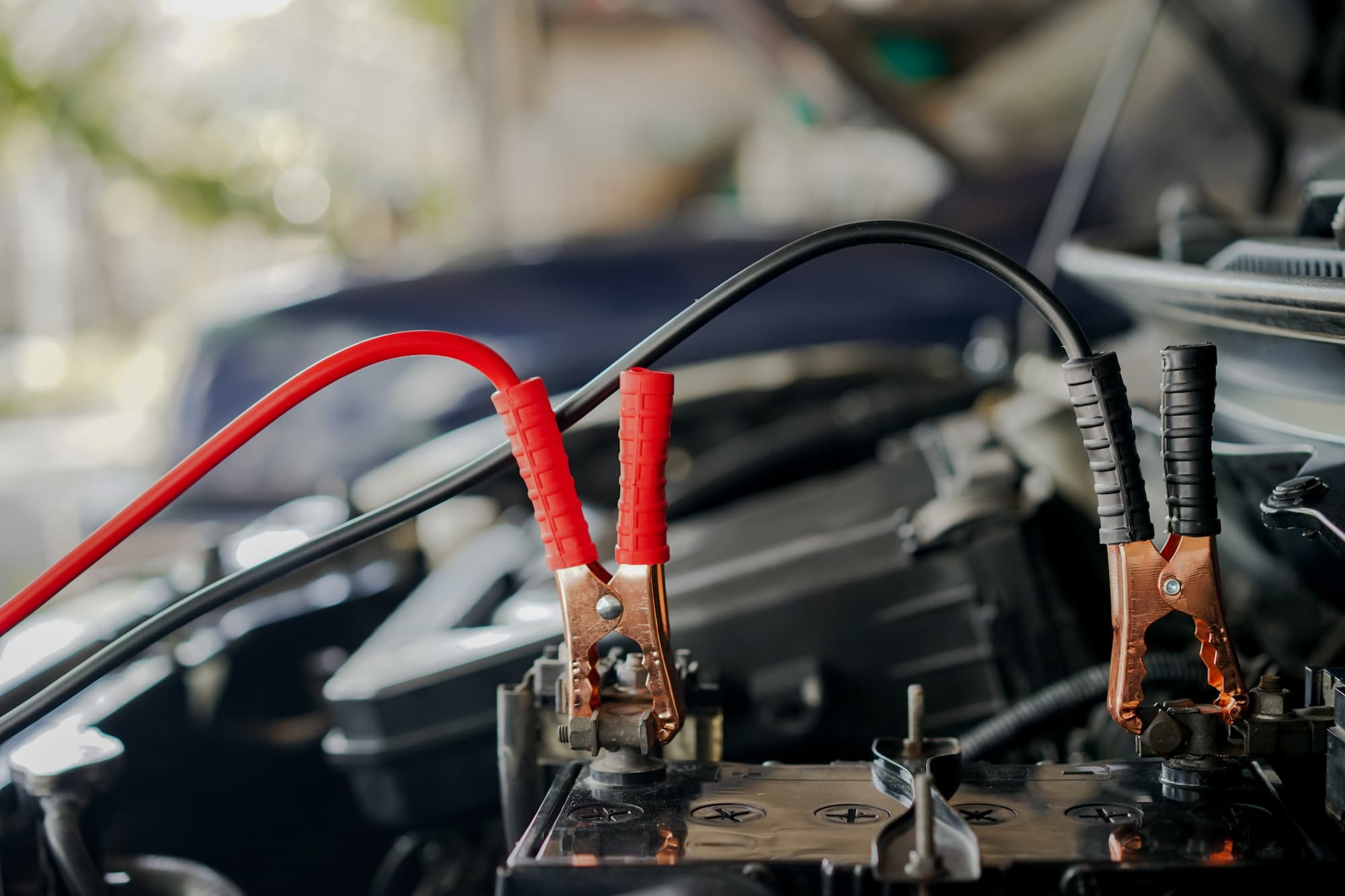
The battery needs frequent jump-starts
The battery does not hold a charge
Corrosion appears around the terminals
The battery case looks swollen, cracked, or damaged
Warning lights appear on the dashboard
GMC notes that a no-start condition can also be caused by an alternator, loose cable, starter issue, or another charging-system problem, so testing is important before assuming the battery itself is the cause.
Does a Warning Light Mean the Battery Is Bad?
Not necessarily. A battery or charging-related warning can point to more than one problem.
The alternator charges the battery while the engine is running. If the alternator is not working correctly, the battery may lose its charge even if the battery itself was originally healthy. Loose connections or starter problems can create similar symptoms.
A professional inspection can be more useful than simply replacing the battery based on a warning light alone.
Should You Replace a Battery Before It Fails?
In some cases, yes. If a battery is several years old and testing shows that its capacity is declining, replacing it proactively can help reduce the chance of being stranded.
This can be especially helpful if you depend on your vehicle for a daily commute, regular highway travel, or long trips away from home.
If the battery is younger and tests well, replacement may not be necessary. A technician can check battery health and the starting and charging systems to help identify the actual problem.
How Can You Help Your Battery Last Longer?
A few simple habits can support battery life:
Keep the terminals clean and free of corrosion
Avoid leaving lights or accessories on when the engine is off
Drive the vehicle regularly rather than letting it sit for long periods
Have the battery tested during routine service
Address charging-system problems promptly
GMC recommends periodic battery inspections and conductance testing as part of regular vehicle maintenance.
Schedule Battery Service in Visalia
If your GMC is slow to start, needs repeated jump-starts, or has a battery that is several years old, it may be time for a professional test.
Our Certified Service technicians can inspect the battery and starting system, explain what they find, and help with replacement if needed. Visalia GMC offers ACDelco battery options designed for GMC vehicles.
Visit our battery service page or call our Service Department at 559-827-4225 to schedule an appointment.
Photographer: Mr.Anuwat Rumrod /Shutterstock