

Blog

GMC Sierra EV Range Explained: Battery Options, Real-World Miles, and Charging Times

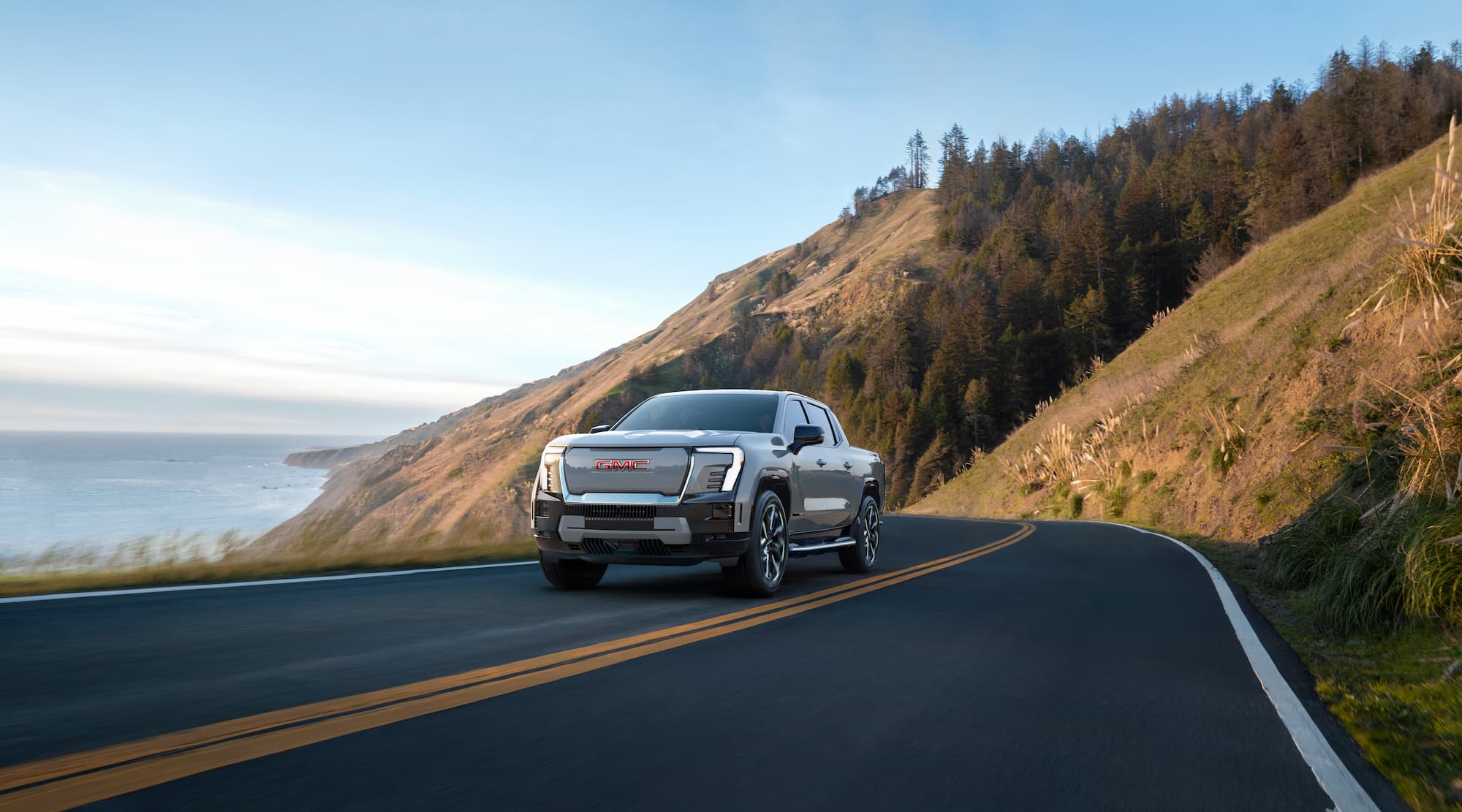
GMC Sierra EV driving on a coastal road
  • The GMC Sierra EV range spans from 283 miles to an exceptional 478 miles on a single charge, depending on the trim and battery configuration selected.
  • Drivers can choose between three distinct battery options: the Standard Range pack, the Extended Range pack, and the ultimate Max Range pack.
  • With 800-volt DC fast charging capabilities, you can restore approximately 100 miles of range in just 10 minutes at a compatible public station.

The full-size electric truck market has a new standard for distance. Groppetti Auto Family and Visalia GMC offer truck enthusiasts the chance to experience a pickup that eliminates distance anxiety completely. The groundbreaking GMC Sierra EV delivers up to 478 miles of range on a single charge. If you are skeptical about whether an electric truck can handle daily commutes, demanding jobs, or weekend towing adventures throughout California, this vehicle provides the real-world capability you require. We understand that truck buyers need reliable performance, and our team is ready to show you how this heavy-duty electric vehicle changes everything.

The Three Ultium Battery Configurations

You can customize your driving distance through three separate battery tiers designed for different lifestyles and budgets. The lineup begins with the Standard Range pack, which comes equipped on the Elevation and Denali trims. This entry-tier option offers an EPA-estimated range of 283 miles, making it an excellent choice for local work and daily commuting. If you need greater longevity, the Extended Range battery significantly expands your capabilities, delivering an EPA-estimated 410 miles on the Elevation and Denali trims and a GM-estimated 390 miles on the rugged AT4 trim. For those who demand maximum performance without stopping, the Max Range battery pack pushes boundaries by providing an incredible GM-estimated 478 miles of range on both Denali and AT4 models.

Real-World Miles and Towing Performance

Real-world conditions affect all trucks, but tests show that the GMC Sierra EV's range often exceeds its official estimates in daily driving. Independent automotive tests have shown that the Extended Range Elevation and Denali Max Range models can surpass their official targets, sometimes covering over 500 miles on a single charge under optimal driving habits. An interesting statistic to note is that this truck produces up to 760 horsepower and 785 pound-feet of torque in its maximum power mode, showing that efficiency does not come at the expense of pure muscle. However, when you utilize the maximum trailering capacity of up to 12,500 pounds, you should expect your range to decrease by roughly 30 to 50 percent depending on the load shape and weight. Even with a heavy trailer attached, the Max Range version retains a highly practical towing radius for your hauling needs.

Advanced Charging Times

Charging this electric pickup is remarkably fast thanks to a sophisticated high-voltage electrical architecture. The Extended Range and Max Range configurations utilize an 800-volt public DC fast-charging system that accepts up to 350 kilowatts of power. This means you can add around 100 to 116 miles of range in approximately 10 minutes when using a compatible fast charger. For daily upkeep, a traditional 240-volt Level 2 home charging system fully replenishes the battery overnight in about 13 hours. Owners can easily plan long-distance travel and manage their electrical usage via the in-vehicle Energy Application or the convenient mobile phone application.

Find Your Next Electric Truck Today

Finding the perfect electric pickup starts with exploring our extensive selection today. We invite you to experience this combination of luxury, muscle, and efficiency firsthand. Check out our Sierra EVs to learn more about the vehicle specifications. You can also browse our online inventory or visit us in person to see which configuration fits your daily routine. Take the next step toward an emissions-free future without compromising on truck capability.
Recommended Posts

Closeup view of car brake disc and caliper in mechanic garage.

How Long Do Brakes Last on a GMC Truck or SUV?

The lifespan of brake pads depends heavily on driving conditions and habits. Squealing, grinding, vibration, longer stopping distances, or a soft brake pedal can signal that service is needed. Some newer GMC vehicles include a Brake Pad Life Monitor that estimates remaining pad life. Regular inspections are the best way to know when pads, rotors, or other brake components need attention. If you drive a GMC Sierra, Yukon, Acadia, Terrain, or another GMC model around Visalia, you may eventually wonder: how long do the brakes last? Visalia GMC helps local drivers maintain their vehicles with Certified Service built around GMC systems and recommended maintenance practices. The most important thing to know is that brakes do not wear out on a fixed schedule. How you drive, where you drive, what you tow, and the condition of the braking system all play a role. There Is No One Mileage for Brake Replacement There are no specific mileage intervals for brake service because brake wear varies by driving habits and conditions. That is why brake components are inspected during a GMC Multi-Point Vehicle Inspection. A driver who spends most of the time cruising on open roads may experience different brake wear than someone who deals with frequent stop-and-go traffic. Brake life can also be affected by: Frequent towing or hauling Repeated hard braking Stop-and-go city driving Steep grades Vehicle load Brake pad material Driving style For GMC truck and SUV owners who use their vehicles for towing, work, or heavier loads, regular brake checks are especially important. What About Brake Rotors? Brake rotors do not always need to be resurfaced or replaced when the brake pads are changed. If you are not feeling vibration when braking and the rotor still has enough thickness, it may still be in good condition. A technician should check the rotors for wear, grooves, heat damage, and thickness before deciding whether they need service or replacement. Watch for Brake Warning Signs Brake problems often give you some warning before they become more serious. There are several signs that should prompt an inspection: Chirping, squealing, or whistling Grinding noises Longer stopping distances A spongy brake pedal Vibration through the pedal or steering wheel Pulling to one side while braking Brake pads may also include wear indicators designed to make noise as the friction material becomes thin. GMC recommends replacement at or before the pads reach about 2 mm of remaining friction material. If you notice a sudden change in braking feel or stopping performance, do not wait for your next routine service visit. Your GMC May Help Track Brake Pad Life Some GMC vehicles have a Brake Pad Life Monitor that can help you keep an eye on how much pad life remains. The system estimates the remaining life of the front and rear brake pads based on vehicle use and driving habits. As the pads wear down, you may see an estimated percentage or mileage remaining in the Driver Information Center. It is a helpful tool, but it should not take the place of a brake inspection. Your brake pads are only one part of the system. The rotors, calipers, hoses, brake lines, and other components also need to be checked to make sure everything is working properly. How Often Should You Have Your Brakes Checked? We recommend having the brakes inspected or serviced at least every 7,500 miles. Brake components wear at different rates, so an inspection can identify changes before they turn into larger repair needs. Schedule GMC Brake Service in Visalia If your brakes are making noise, your pedal feels different, or you simply want to know how much life is left in your pads and rotors, an inspection can give you a clear answer. Our Certified Service team works with GMC trucks and SUVs and uses GM Genuine Parts and ACDelco components when replacement is needed. Learn more about GMC brake service or schedule a service appointment at Visalia GMC. You can also call our service department at 559-827-4225 or visit us at 1313 E Main Street, Visalia, CA 93292. Image Source: Parilov / Shutterstock

a dead car battery being started with jumper cables

When to Replace Your Car Battery: Signs, Lifespan, and What to Do Next

Most traditional vehicle batteries last about three to five years. Slow starting, repeated jump-starts, corrosion, or warning lights can signal a weakening battery. Testing the battery can help determine whether the problem is the battery, alternator, starter, or another component. A car that suddenly takes longer to start can leave you wondering whether the battery is about to fail. Visalia GMC helps drivers throughout Visalia, Tulare County, Fresno, Porterville, and Lindsay identify battery problems before they turn into an unexpected no-start situation. Knowing when to replace a car battery components comes down to age, performance, and what a proper battery test shows. How Long Does a Car Battery Usually Last? GMC states that traditional vehicle batteries typically last about three to five years, although actual lifespan varies. Hot weather, driving habits, frequent short trips, long periods without driving, and time spent in a discharged state can all shorten battery life. Central Valley heat can be especially hard on automotive batteries. Even if your vehicle is still starting normally, it is worth paying closer attention once the battery approaches the three-year mark. Regular battery testing during routine maintenance can give you a better idea of its condition before performance noticeably declines. What Are the Signs of a Weak Car Battery? A battery does not always fail without warning. Common signs that it may be losing strength include: The engine cranks more slowly than usual You hear clicking when trying to start the vehicle The battery needs frequent jump-starts The battery does not hold a charge Corrosion appears around the terminals The battery case looks swollen, cracked, or damaged Warning lights appear on the dashboard GMC notes that a no-start condition can also be caused by an alternator, loose cable, starter issue, or another charging-system problem, so testing is important before assuming the battery itself is the cause. Does a Warning Light Mean the Battery Is Bad? Not necessarily. A battery or charging-related warning can point to more than one problem. The alternator charges the battery while the engine is running. If the alternator is not working correctly, the battery may lose its charge even if the battery itself was originally healthy. Loose connections or starter problems can create similar symptoms. A professional inspection can be more useful than simply replacing the battery based on a warning light alone. Should You Replace a Battery Before It Fails? In some cases, yes. If a battery is several years old and testing shows that its capacity is declining, replacing it proactively can help reduce the chance of being stranded. This can be especially helpful if you depend on your vehicle for a daily commute, regular highway travel, or long trips away from home. If the battery is younger and tests well, replacement may not be necessary. A technician can check battery health and the starting and charging systems to help identify the actual problem. How Can You Help Your Battery Last Longer? A few simple habits can support battery life: Keep the terminals clean and free of corrosion Avoid leaving lights or accessories on when the engine is off Drive the vehicle regularly rather than letting it sit for long periods Have the battery tested during routine service Address charging-system problems promptly GMC recommends periodic battery inspections and conductance testing as part of regular vehicle maintenance. Schedule Battery Service in Visalia If your GMC is slow to start, needs repeated jump-starts, or has a battery that is several years old, it may be time for a professional test. Our Certified Service technicians can inspect the battery and starting system, explain what they find, and help with replacement if needed. Visalia GMC offers ACDelco battery options designed for GMC vehicles. Visit our battery service page or call our Service Department at 559-827-4225 to schedule an appointment. Photographer: Mr.Anuwat Rumrod /Shutterstock

a technician rotating car tires

How Often Should You Rotate Your Tires on a GMC?

Most GMC trucks and SUVs require tire rotations every 5,000 to 7,500 miles, which conveniently aligns with routine oil change intervals. Vehicles with active 4WD or AWD systems, as well as trucks used for heavy towing, may need rotations every 3,000 to 5,000 miles. Regular rotations promote balanced tread wear, protect complex drivetrain components, improve fuel efficiency, and extend total tire life. Proper tire care is one of the easiest ways to protect your vehicle's performance, handling, and safety. Visalia GMC helps drivers throughout Tulare County, Fresno, Porterville, and Lindsay keep their trucks and SUVs running at peak performance. Whether you drive a dependable Sierra 1500 or a roomy Yukon, knowing how often to rotate tires prevents uneven tread wear and costly early replacements. Following a consistent maintenance schedule preserves ride quality and protects your vehicle investment. Recommended Tire Rotation Intervals for GMC Models As a general rule, GMC recommends rotating tires every 5,000 to 7,500 miles, or roughly every six months. A practical habit is requesting a rotation during every scheduled oil change. Pairing these services keeps your maintenance on track while allowing certified technicians to inspect tread depth regularly. Certain driving habits and vehicle drivetrains impact how often to rotate tires: Rear-Wheel Drive and Front-Wheel Drive: Standard rear-wheel drive trucks and front-wheel drive crossovers experience uneven weight distribution. Rotating tires every 5,000 to 7,500 miles balances front and rear tread wear. Four-Wheel Drive and All-Wheel Drive: Vehicles with active 4WD or AWD systems send power to all four wheels, causing tires to wear down faster. A shorter 3,000 to 5,000 mile interval helps maintain uniform tread depth across both axles. Heavy Towing and Hauling: Frequently pulling heavy trailers or hauling cargo around Fresno and Porterville puts added stress on rear tires, requiring more frequent rotations. Why Regular Tire Rotation Matters Tires are the only point of contact between your truck and the road. Because steering, braking, and drive power affect front and rear tires differently, tread wears unevenly when tires remain in one position. Key benefits of routine tire rotations include: Extended Tread Life: Moving tires around the vehicle distributes weight and friction evenly over time, maximizing overall tire lifespan. Smoother and Quieter Ride: Uneven tread wear causes road noise and steering wheel vibration. Uniform tread depth keeps highway driving comfortable. Less Drivetrain Strain: On 4WD and AWD models like the GMC Yukon or Sierra, differing tire sizes from uneven wear place unnecessary stress on transfer cases and differentials. Reliable Traction: Balanced tread depth ensures reliable grip during rainy weather across Lindsay and Visalia. Signs Your Tires Need Attention Watching for visual indicators helps prevent unexpected tire issues between service visits: Visible Tread Depth Differences: If front tires look noticeably flatter or smoother than rear tires, a rotation is past due. Steering Wheel Vibration: Vibrations felt through the steering wheel at highway speeds signal uneven wear or wheel imbalance. Edge Feathering: Uneven wear along tread edges indicates delayed rotations or alignment needs. Schedule Certified GMC Service in Visalia Keeping up with maintenance is simple with experienced factory-trained professionals. The Groppetti Automotive Family brings decades of automotive dedication to the Central Valley, providing multi-point inspections, computerized wheel balancing, and complete tire care. When your truck or SUV is due for service, visit our modern facility or view our current maintenance offers. Schedule your next service appointment online today or call our service team at 559-827-4225 to keep your vehicle running smoothly! Photographer: Photology1971 / Shutterstock