


Blog

Why is GMC More Expensive Than Chevy

GMC truck

GMC vehicles are typically more expensive than Chevy models because GMC is positioned as a more premium brand with upgraded materials, features, and styling. When comparing the GMC vs Chevy price difference, both brands share similar foundations, but GMC offers a more refined, higher-end experience, while Chevy focuses on affordability and value.

Have you ever wondered why GMC trucks are more expensive than Chevy trucks? Discover the reasons behind the price difference between these two brands. As part of the same parent company, GMC and Chevy offer distinct features and qualities that cater to different audiences. Learn more about the brand positioning, engineering and design differences, technology and features, quality of materials, after-sales services, and warranties that contribute to the higher cost of GMC trucks. If you're a current GMC truck owner or are considering purchasing one, this description will help you understand the value of owning a GMC.

Brand Positioning

As you dig deeper into the question, "Why is GMC more expensive than Chevy?" you must first understand the brand positioning of these two companies. General Motors positions GMC as a premium brand. This means that from the get-go, GMC is designed with the intention of being a step above in terms of quality and sophistication. GMC is consistently marketed as “Professional Grade” trucks and SUVs. This implies that GMC vehicles are not just meant for regular driving but for more professional, heavy-duty tasks.

Luxury and Professional-Grade Features of GMC Trucks

GMC trucks are often equipped with more upscale features and materials compared to their Chevy counterparts. This includes high-end details like brushed aluminum accents, wood paneling, and plush leather seating. With more luxurious amenities as standard, GMC trucks are designed to offer a superior driving and ownership experience. These additional features and the overall premium feel of GMC trucks are key reasons why they command a higher price point than Chevy trucks.

While Chevy trucks are built to be reliable and hard-working vehicles, GMC trucks are designed to provide all these characteristics plus a touch of luxury. This brand positioning aligns with the needs and expectations of their respective target consumers, making the cost difference a justifiable aspect of their purchase decision.

Engineering and Design Differences

GMC trucks boast unique engineering elements, such as a more robust suspension system designed for rugged terrains and a more refined transmission for smoother, more efficient power delivery. These premium design elements contribute significantly to the higher price tag of GMC trucks. For instance, the advanced suspension systems employed in GMC trucks offer superior ride comfort and off-road capabilities, while their refined transmission systems ensure excellent fuel efficiency and performance, making them worth every penny for discerning buyers.

Technology and Features

GMC trucks come equipped with advanced technologies and luxury features only sometimes standard in Chevy trucks. These include advanced safety features, sophisticated infotainment systems, and convenience features like power-adjustable seats and automatic climate control.

These advanced features not only enhance the driving experience but also add to the vehicle's value, thus contributing to the higher price of GMC trucks. The added comfort, safety, and convenience they offer make GMC trucks an appealing choice for customers seeking a truck that combines functionality with luxury.

Quality of Materials and Build

What distinguishes GMC trucks and consequently influences their price is the use of more expensive, high-quality materials in their construction. Superior-quality leather, high-grade steel, and refined aluminum are frequently employed, elevating the build quality and craftsmanship of GMC trucks.

The superior build quality of GMC trucks ensures their longevity and durability, making them a worthy investment for truck enthusiasts. This level of craftsmanship and detailing adds a sense of luxury.

After-Sales Services and Warranties

The GMC brand also offers extended warranties and after-sales services that further justify the extra costs. These benefits provide an added layer of protection and convenience, ensuring peace of mind for GMC truck owners. While the purchase price of a GMC truck might be higher, the comprehensive warranties and reliable after-sales service add value and ease to ownership, making GMC trucks a more attractive prospect for many potential customers.

Get Your New GMC Today From Visalia GMC

The price difference between GMC and Chevy trucks can be attributed to GMC's premium brand positioning, superior materials, advanced features, and extended warranties. While GMC trucks may come with a higher initial cost, the value of their professional-grade performance, superior build quality, and luxurious features validate the investment.

If you’re considering purchasing a GMC truck, we invite you to speak with Visalia GMC for a personalized experience. Contact us online or call 559-409-7178. Challenge the roads with GMC and experience the sophisticated strength and luxury intrinsic to the brand.

GMC vs. Chevy Trucks FAQ

Why are GMC trucks more expensive than Chevy trucks?

GMC is positioned as a premium, “Professional Grade” brand. They use higher-quality materials, offer advanced features, and provide extended warranties and after-sales services, which all contribute to a higher price point.

What features make GMC trucks more luxurious than Chevy trucks?

GMC trucks often include upscale touches like leather seating, brushed aluminum accents, wood paneling, advanced infotainment systems, power-adjustable seats, automatic climate control, and enhanced safety features.

How do engineering and design differences affect GMC truck pricing?

GMC trucks feature more robust suspension systems, refined transmissions, and superior build quality. These enhancements provide smoother rides, better off-road capability, and greater durability, adding value for buyers.

Do GMC trucks come with better warranties or services than Chevy trucks?

Yes, GMC offers extended warranties and comprehensive after-sales services, giving owners extra protection and peace of mind compared to typical Chevy offerings.

Is the higher price of a GMC truck worth it?

For customers seeking professional-grade performance, luxury features, superior materials, and reliable after-sales support, the extra cost of a GMC truck reflects its overall value and quality.
Recommended Posts

Closeup view of car brake disc and caliper in mechanic garage.

How Long Do Brakes Last on a GMC Truck or SUV?

The lifespan of brake pads depends heavily on driving conditions and habits. Squealing, grinding, vibration, longer stopping distances, or a soft brake pedal can signal that service is needed. Some newer GMC vehicles include a Brake Pad Life Monitor that estimates remaining pad life. Regular inspections are the best way to know when pads, rotors, or other brake components need attention. If you drive a GMC Sierra, Yukon, Acadia, Terrain, or another GMC model around Visalia, you may eventually wonder: how long do the brakes last? Visalia GMC helps local drivers maintain their vehicles with Certified Service built around GMC systems and recommended maintenance practices. The most important thing to know is that brakes do not wear out on a fixed schedule. How you drive, where you drive, what you tow, and the condition of the braking system all play a role. There Is No One Mileage for Brake Replacement There are no specific mileage intervals for brake service because brake wear varies by driving habits and conditions. That is why brake components are inspected during a GMC Multi-Point Vehicle Inspection. A driver who spends most of the time cruising on open roads may experience different brake wear than someone who deals with frequent stop-and-go traffic. Brake life can also be affected by: Frequent towing or hauling Repeated hard braking Stop-and-go city driving Steep grades Vehicle load Brake pad material Driving style For GMC truck and SUV owners who use their vehicles for towing, work, or heavier loads, regular brake checks are especially important. What About Brake Rotors? Brake rotors do not always need to be resurfaced or replaced when the brake pads are changed. If you are not feeling vibration when braking and the rotor still has enough thickness, it may still be in good condition. A technician should check the rotors for wear, grooves, heat damage, and thickness before deciding whether they need service or replacement. Watch for Brake Warning Signs Brake problems often give you some warning before they become more serious. There are several signs that should prompt an inspection: Chirping, squealing, or whistling Grinding noises Longer stopping distances A spongy brake pedal Vibration through the pedal or steering wheel Pulling to one side while braking Brake pads may also include wear indicators designed to make noise as the friction material becomes thin. GMC recommends replacement at or before the pads reach about 2 mm of remaining friction material. If you notice a sudden change in braking feel or stopping performance, do not wait for your next routine service visit. Your GMC May Help Track Brake Pad Life Some GMC vehicles have a Brake Pad Life Monitor that can help you keep an eye on how much pad life remains. The system estimates the remaining life of the front and rear brake pads based on vehicle use and driving habits. As the pads wear down, you may see an estimated percentage or mileage remaining in the Driver Information Center. It is a helpful tool, but it should not take the place of a brake inspection. Your brake pads are only one part of the system. The rotors, calipers, hoses, brake lines, and other components also need to be checked to make sure everything is working properly. How Often Should You Have Your Brakes Checked? We recommend having the brakes inspected or serviced at least every 7,500 miles. Brake components wear at different rates, so an inspection can identify changes before they turn into larger repair needs. Schedule GMC Brake Service in Visalia If your brakes are making noise, your pedal feels different, or you simply want to know how much life is left in your pads and rotors, an inspection can give you a clear answer. Our Certified Service team works with GMC trucks and SUVs and uses GM Genuine Parts and ACDelco components when replacement is needed. Learn more about GMC brake service or schedule a service appointment at Visalia GMC. You can also call our service department at 559-827-4225 or visit us at 1313 E Main Street, Visalia, CA 93292. Image Source: Parilov / Shutterstock

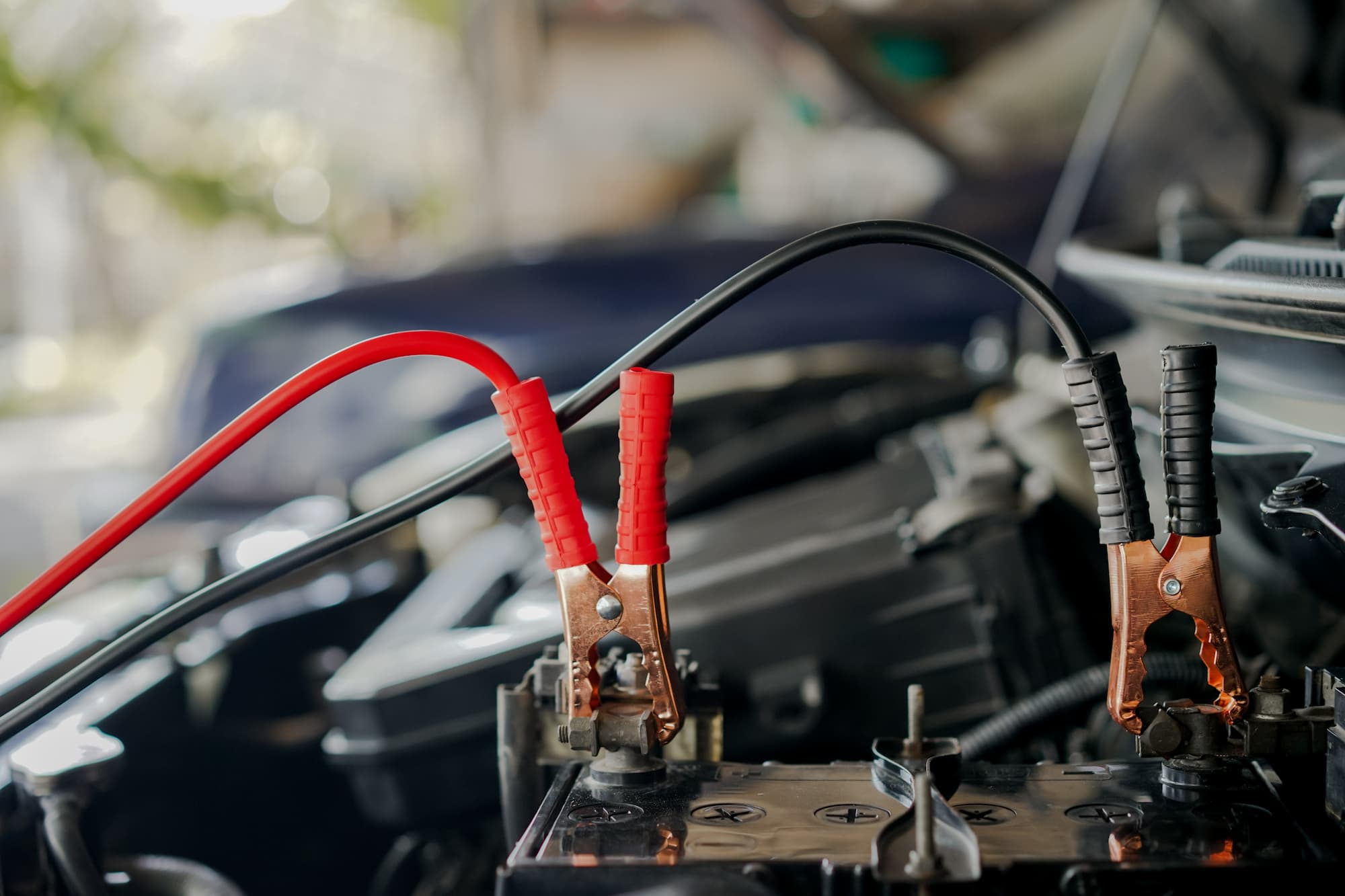
a dead car battery being started with jumper cables

When to Replace Your Car Battery: Signs, Lifespan, and What to Do Next

Most traditional vehicle batteries last about three to five years. Slow starting, repeated jump-starts, corrosion, or warning lights can signal a weakening battery. Testing the battery can help determine whether the problem is the battery, alternator, starter, or another component. A car that suddenly takes longer to start can leave you wondering whether the battery is about to fail. Visalia GMC helps drivers throughout Visalia, Tulare County, Fresno, Porterville, and Lindsay identify battery problems before they turn into an unexpected no-start situation. Knowing when to replace a car battery components comes down to age, performance, and what a proper battery test shows. How Long Does a Car Battery Usually Last? GMC states that traditional vehicle batteries typically last about three to five years, although actual lifespan varies. Hot weather, driving habits, frequent short trips, long periods without driving, and time spent in a discharged state can all shorten battery life. Central Valley heat can be especially hard on automotive batteries. Even if your vehicle is still starting normally, it is worth paying closer attention once the battery approaches the three-year mark. Regular battery testing during routine maintenance can give you a better idea of its condition before performance noticeably declines. What Are the Signs of a Weak Car Battery? A battery does not always fail without warning. Common signs that it may be losing strength include: The engine cranks more slowly than usual You hear clicking when trying to start the vehicle The battery needs frequent jump-starts The battery does not hold a charge Corrosion appears around the terminals The battery case looks swollen, cracked, or damaged Warning lights appear on the dashboard GMC notes that a no-start condition can also be caused by an alternator, loose cable, starter issue, or another charging-system problem, so testing is important before assuming the battery itself is the cause. Does a Warning Light Mean the Battery Is Bad? Not necessarily. A battery or charging-related warning can point to more than one problem. The alternator charges the battery while the engine is running. If the alternator is not working correctly, the battery may lose its charge even if the battery itself was originally healthy. Loose connections or starter problems can create similar symptoms. A professional inspection can be more useful than simply replacing the battery based on a warning light alone. Should You Replace a Battery Before It Fails? In some cases, yes. If a battery is several years old and testing shows that its capacity is declining, replacing it proactively can help reduce the chance of being stranded. This can be especially helpful if you depend on your vehicle for a daily commute, regular highway travel, or long trips away from home. If the battery is younger and tests well, replacement may not be necessary. A technician can check battery health and the starting and charging systems to help identify the actual problem. How Can You Help Your Battery Last Longer? A few simple habits can support battery life: Keep the terminals clean and free of corrosion Avoid leaving lights or accessories on when the engine is off Drive the vehicle regularly rather than letting it sit for long periods Have the battery tested during routine service Address charging-system problems promptly GMC recommends periodic battery inspections and conductance testing as part of regular vehicle maintenance. Schedule Battery Service in Visalia If your GMC is slow to start, needs repeated jump-starts, or has a battery that is several years old, it may be time for a professional test. Our Certified Service technicians can inspect the battery and starting system, explain what they find, and help with replacement if needed. Visalia GMC offers ACDelco battery options designed for GMC vehicles. Visit our battery service page or call our Service Department at 559-827-4225 to schedule an appointment. Photographer: Mr.Anuwat Rumrod /Shutterstock

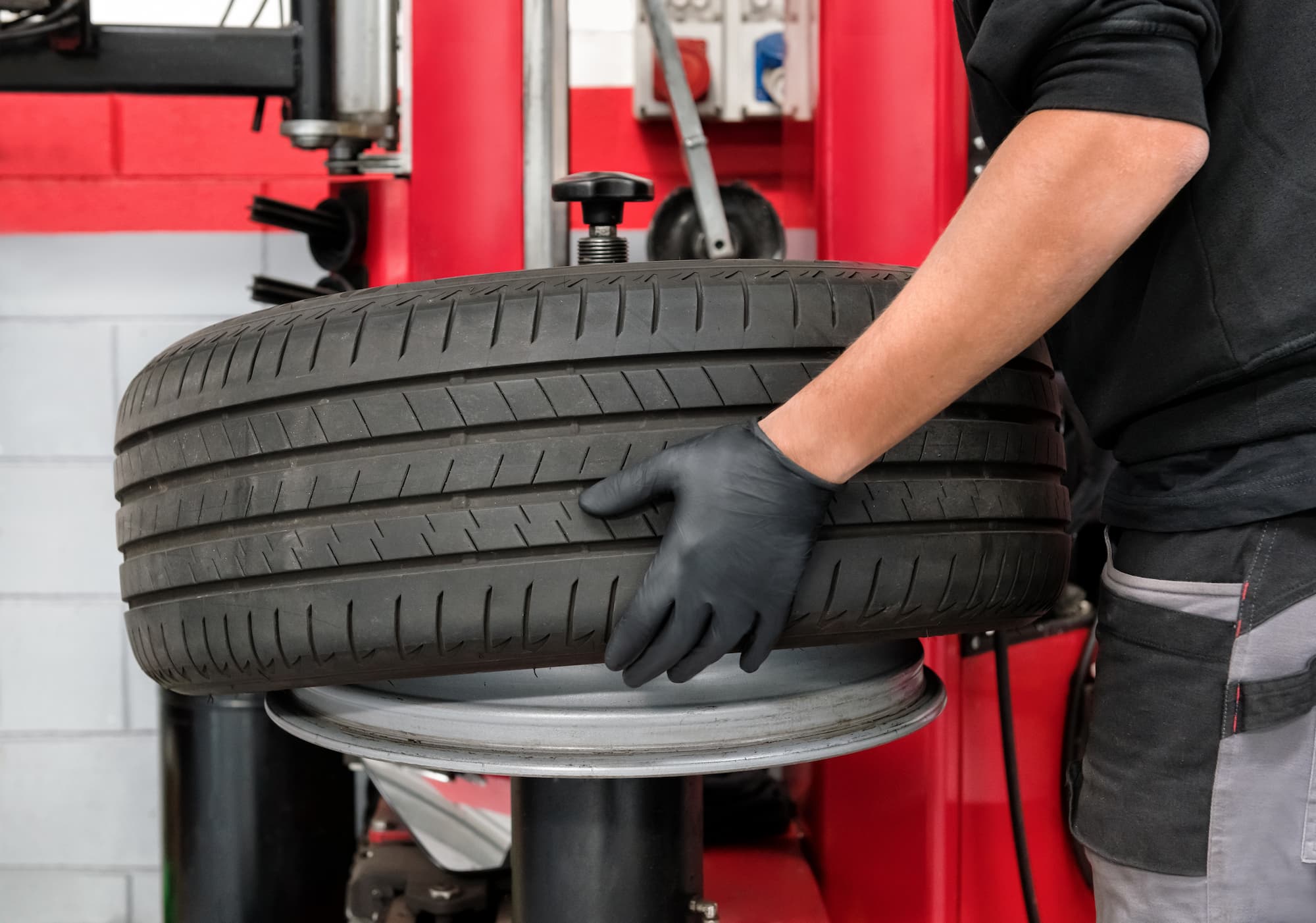
a technician rotating car tires

How Often Should You Rotate Your Tires on a GMC?

Most GMC trucks and SUVs require tire rotations every 5,000 to 7,500 miles, which conveniently aligns with routine oil change intervals. Vehicles with active 4WD or AWD systems, as well as trucks used for heavy towing, may need rotations every 3,000 to 5,000 miles. Regular rotations promote balanced tread wear, protect complex drivetrain components, improve fuel efficiency, and extend total tire life. Proper tire care is one of the easiest ways to protect your vehicle's performance, handling, and safety. Visalia GMC helps drivers throughout Tulare County, Fresno, Porterville, and Lindsay keep their trucks and SUVs running at peak performance. Whether you drive a dependable Sierra 1500 or a roomy Yukon, knowing how often to rotate tires prevents uneven tread wear and costly early replacements. Following a consistent maintenance schedule preserves ride quality and protects your vehicle investment. Recommended Tire Rotation Intervals for GMC Models As a general rule, GMC recommends rotating tires every 5,000 to 7,500 miles, or roughly every six months. A practical habit is requesting a rotation during every scheduled oil change. Pairing these services keeps your maintenance on track while allowing certified technicians to inspect tread depth regularly. Certain driving habits and vehicle drivetrains impact how often to rotate tires: Rear-Wheel Drive and Front-Wheel Drive: Standard rear-wheel drive trucks and front-wheel drive crossovers experience uneven weight distribution. Rotating tires every 5,000 to 7,500 miles balances front and rear tread wear. Four-Wheel Drive and All-Wheel Drive: Vehicles with active 4WD or AWD systems send power to all four wheels, causing tires to wear down faster. A shorter 3,000 to 5,000 mile interval helps maintain uniform tread depth across both axles. Heavy Towing and Hauling: Frequently pulling heavy trailers or hauling cargo around Fresno and Porterville puts added stress on rear tires, requiring more frequent rotations. Why Regular Tire Rotation Matters Tires are the only point of contact between your truck and the road. Because steering, braking, and drive power affect front and rear tires differently, tread wears unevenly when tires remain in one position. Key benefits of routine tire rotations include: Extended Tread Life: Moving tires around the vehicle distributes weight and friction evenly over time, maximizing overall tire lifespan. Smoother and Quieter Ride: Uneven tread wear causes road noise and steering wheel vibration. Uniform tread depth keeps highway driving comfortable. Less Drivetrain Strain: On 4WD and AWD models like the GMC Yukon or Sierra, differing tire sizes from uneven wear place unnecessary stress on transfer cases and differentials. Reliable Traction: Balanced tread depth ensures reliable grip during rainy weather across Lindsay and Visalia. Signs Your Tires Need Attention Watching for visual indicators helps prevent unexpected tire issues between service visits: Visible Tread Depth Differences: If front tires look noticeably flatter or smoother than rear tires, a rotation is past due. Steering Wheel Vibration: Vibrations felt through the steering wheel at highway speeds signal uneven wear or wheel imbalance. Edge Feathering: Uneven wear along tread edges indicates delayed rotations or alignment needs. Schedule Certified GMC Service in Visalia Keeping up with maintenance is simple with experienced factory-trained professionals. The Groppetti Automotive Family brings decades of automotive dedication to the Central Valley, providing multi-point inspections, computerized wheel balancing, and complete tire care. When your truck or SUV is due for service, visit our modern facility or view our current maintenance offers. Schedule your next service appointment online today or call our service team at 559-827-4225 to keep your vehicle running smoothly! Photographer: Photology1971 / Shutterstock