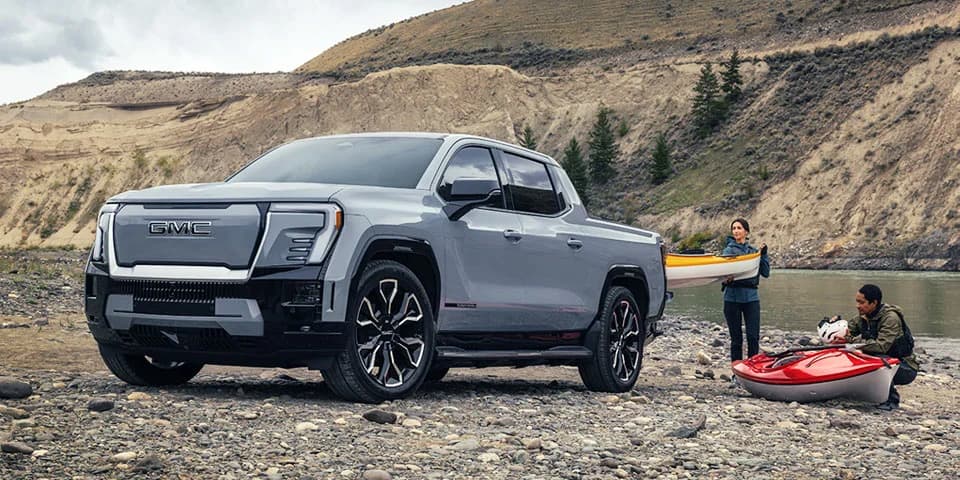



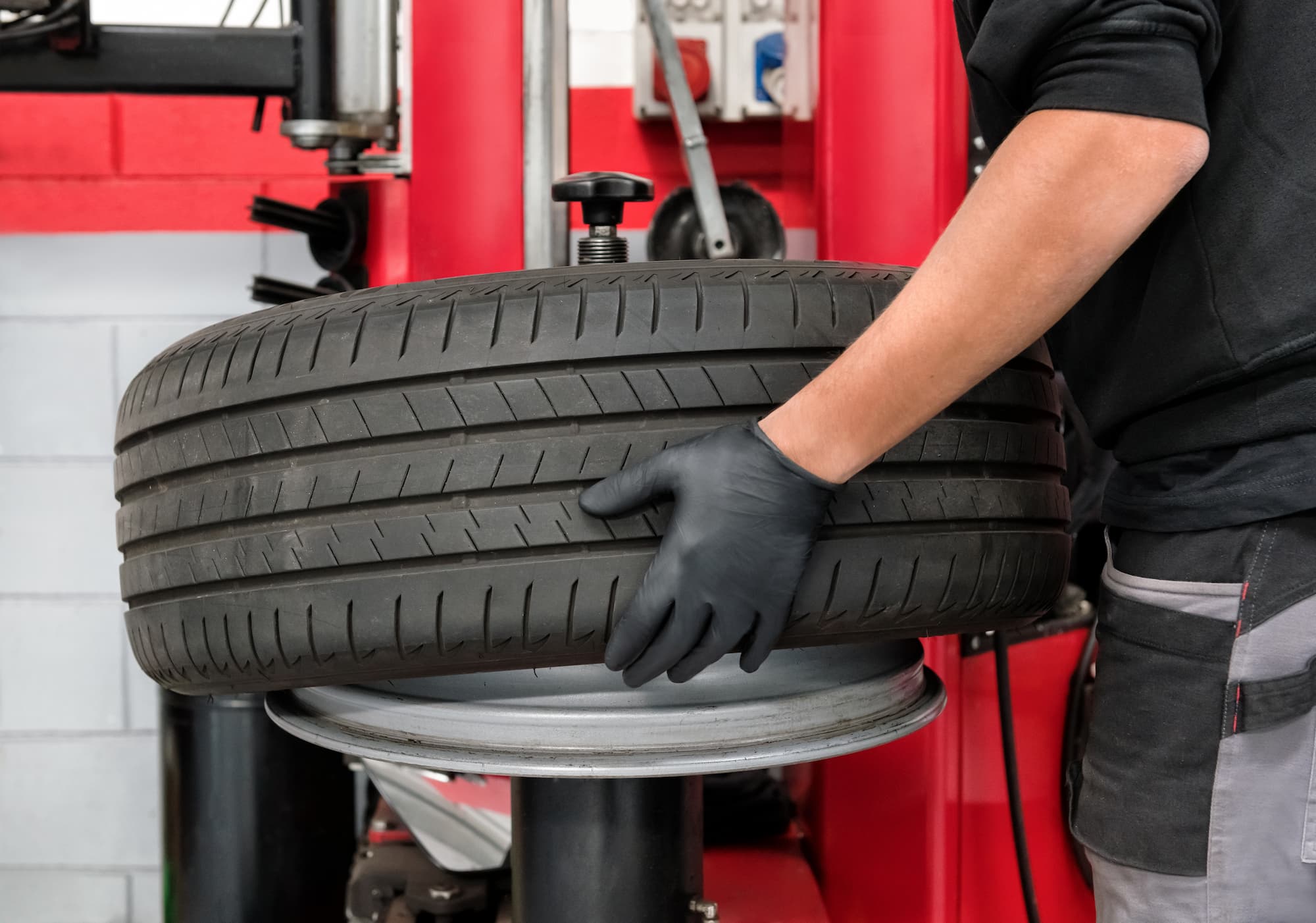
Most GMC trucks and SUVs require tire rotations every 5,000 to 7,500 miles, which conveniently aligns with routine oil change intervals. Vehicles with active 4WD or AWD systems, as well as trucks used for heavy towing, may need rotations every 3,000 to 5,000 miles. Regular rotations promote balanced tread wear, protect complex drivetrain components, improve fuel efficiency, and extend total tire life. Proper tire care is one of the easiest ways to protect your vehicle's performance, handling, and safety. Visalia GMC helps drivers throughout Tulare County, Fresno, Porterville, and Lindsay keep their trucks and SUVs running at peak performance. Whether you drive a dependable Sierra 1500 or a roomy Yukon, knowing how often to rotate tires prevents uneven tread wear and costly early replacements. Following a consistent maintenance schedule preserves ride quality and protects your vehicle investment. Recommended Tire Rotation Intervals for GMC Models As a general rule, GMC recommends rotating tires every 5,000 to 7,500 miles, or roughly every six months. A practical habit is requesting a rotation during every scheduled oil change. Pairing these services keeps your maintenance on track while allowing certified technicians to inspect tread depth regularly. Certain driving habits and vehicle drivetrains impact how often to rotate tires: Rear-Wheel Drive and Front-Wheel Drive: Standard rear-wheel drive trucks and front-wheel drive crossovers experience uneven weight distribution. Rotating tires every 5,000 to 7,500 miles balances front and rear tread wear. Four-Wheel Drive and All-Wheel Drive: Vehicles with active 4WD or AWD systems send power to all four wheels, causing tires to wear down faster. A shorter 3,000 to 5,000 mile interval helps maintain uniform tread depth across both axles. Heavy Towing and Hauling: Frequently pulling heavy trailers or hauling cargo around Fresno and Porterville puts added stress on rear tires, requiring more frequent rotations. Why Regular Tire Rotation Matters Tires are the only point of contact between your truck and the road. Because steering, braking, and drive power affect front and rear tires differently, tread wears unevenly when tires remain in one position. Key benefits of routine tire rotations include: Extended Tread Life: Moving tires around the vehicle distributes weight and friction evenly over time, maximizing overall tire lifespan. Smoother and Quieter Ride: Uneven tread wear causes road noise and steering wheel vibration. Uniform tread depth keeps highway driving comfortable. Less Drivetrain Strain: On 4WD and AWD models like the GMC Yukon or Sierra, differing tire sizes from uneven wear place unnecessary stress on transfer cases and differentials. Reliable Traction: Balanced tread depth ensures reliable grip during rainy weather across Lindsay and Visalia. Signs Your Tires Need Attention Watching for visual indicators helps prevent unexpected tire issues between service visits: Visible Tread Depth Differences: If front tires look noticeably flatter or smoother than rear tires, a rotation is past due. Steering Wheel Vibration: Vibrations felt through the steering wheel at highway speeds signal uneven wear or wheel imbalance. Edge Feathering: Uneven wear along tread edges indicates delayed rotations or alignment needs. Schedule Certified GMC Service in Visalia Keeping up with maintenance is simple with experienced factory-trained professionals. The Groppetti Automotive Family brings decades of automotive dedication to the Central Valley, providing multi-point inspections, computerized wheel balancing, and complete tire care. When your truck or SUV is due for service, visit our modern facility or view our current maintenance offers. Schedule your next service appointment online today or call our service team at 559-827-4225 to keep your vehicle running smoothly! Photographer: Photology1971 / Shutterstock
When to Replace Your Car Battery: Signs, Lifespan, and What to Do Next
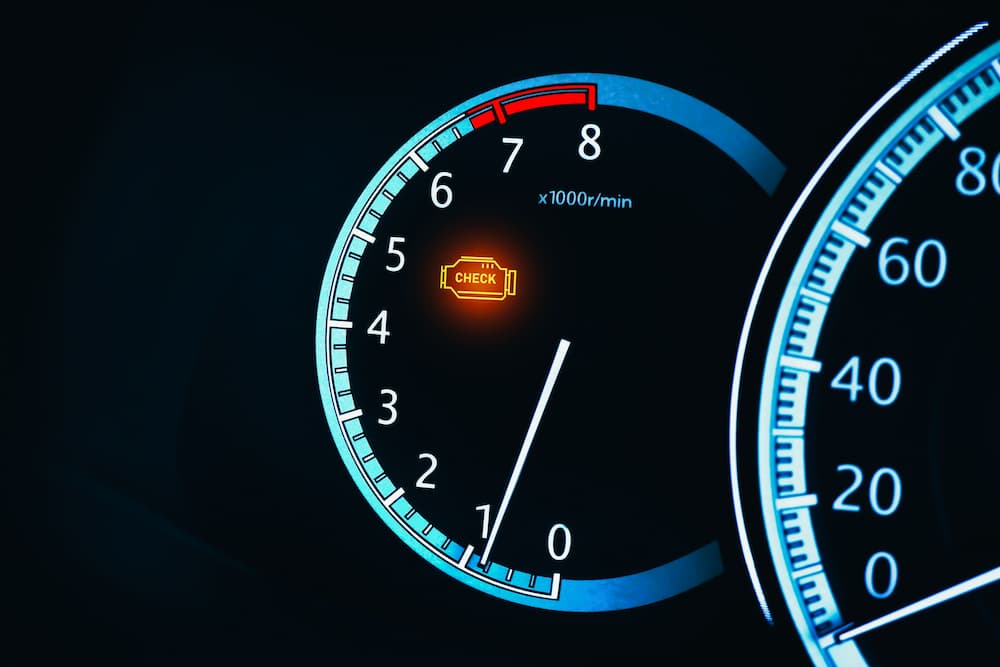
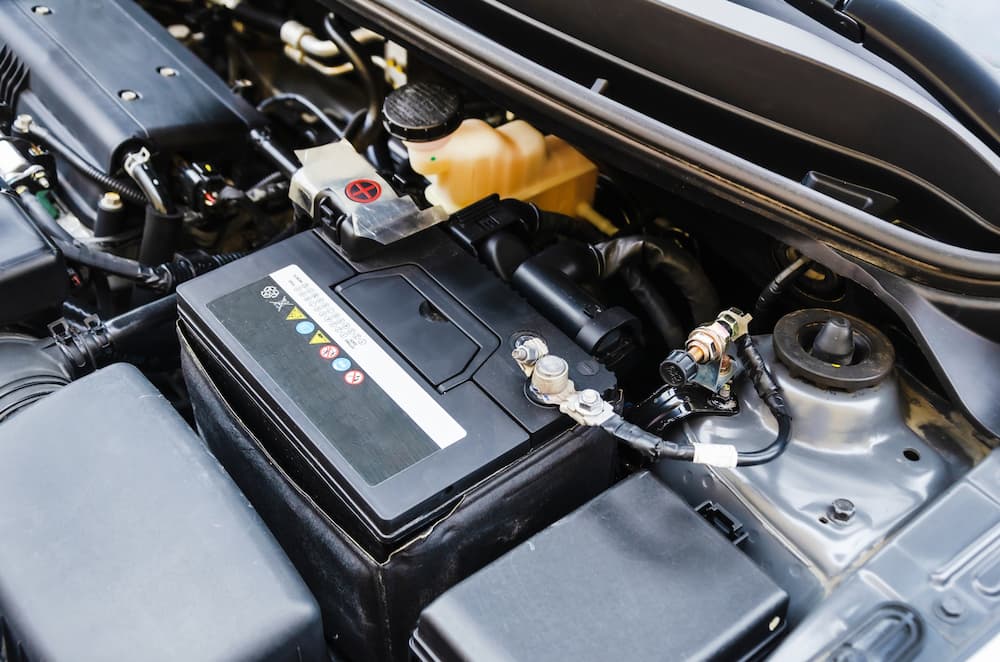
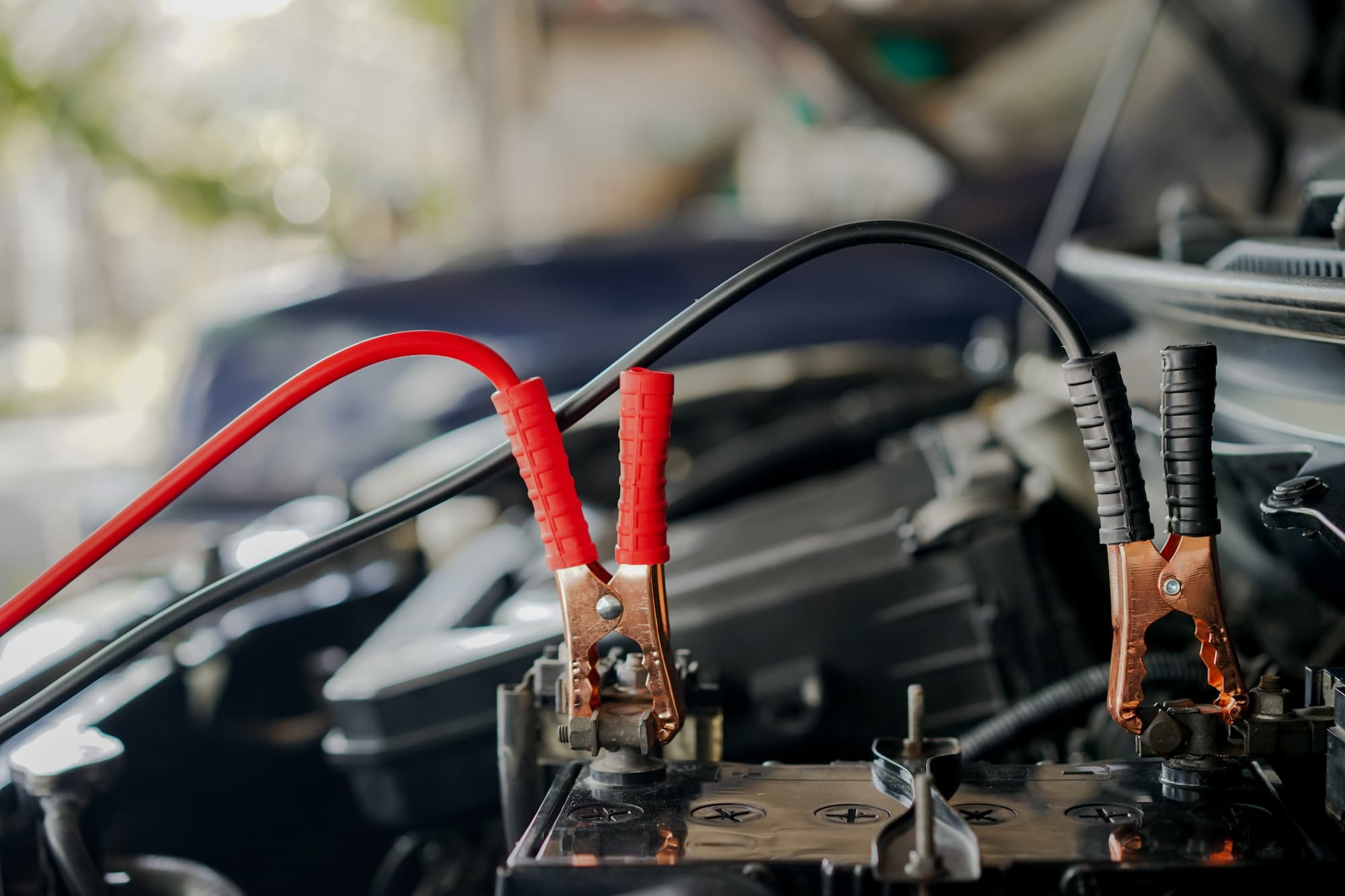
Most traditional vehicle batteries last about three to five years. Slow starting, repeated jump-starts, corrosion, or warning lights can signal a weakening battery. Testing the battery can help determine whether the problem is the battery, alternator, starter, or another component. A car that suddenly takes longer to start can leave you wondering whether the battery is about to fail. Visalia GMC helps drivers throughout Visalia, Tulare County, Fresno, Porterville, and Lindsay identify battery problems before they turn into an unexpected no-start situation. Knowing when to replace a car battery components comes down to age, performance, and what a proper battery test shows. How Long Does a Car Battery Usually Last? GMC states that traditional vehicle batteries typically last about three to five years, although actual lifespan varies. Hot weather, driving habits, frequent short trips, long periods without driving, and time spent in a discharged state can all shorten battery life. Central Valley heat can be especially hard on automotive batteries. Even if your vehicle is still starting normally, it is worth paying closer attention once the battery approaches the three-year mark. Regular battery testing during routine maintenance can give you a better idea of its condition before performance noticeably declines. What Are the Signs of a Weak Car Battery? A battery does not always fail without warning. Common signs that it may be losing strength include: The engine cranks more slowly than usual You hear clicking when trying to start the vehicle The battery needs frequent jump-starts The battery does not hold a charge Corrosion appears around the terminals The battery case looks swollen, cracked, or damaged Warning lights appear on the dashboard GMC notes that a no-start condition can also be caused by an alternator, loose cable, starter issue, or another charging-system problem, so testing is important before assuming the battery itself is the cause. Does a Warning Light Mean the Battery Is Bad? Not necessarily. A battery or charging-related warning can point to more than one problem. The alternator charges the battery while the engine is running. If the alternator is not working correctly, the battery may lose its charge even if the battery itself was originally healthy. Loose connections or starter problems can create similar symptoms. A professional inspection can be more useful than simply replacing the battery based on a warning light alone. Should You Replace a Battery Before It Fails? In some cases, yes. If a battery is several years old and testing shows that its capacity is declining, replacing it proactively can help reduce the chance of being stranded. This can be especially helpful if you depend on your vehicle for a daily commute, regular highway travel, or long trips away from home. If the battery is younger and tests well, replacement may not be necessary. A technician can check battery health and the starting and charging systems to help identify the actual problem. How Can You Help Your Battery Last Longer? A few simple habits can support battery life: Keep the terminals clean and free of corrosion Avoid leaving lights or accessories on when the engine is off Drive the vehicle regularly rather than letting it sit for long periods Have the battery tested during routine service Address charging-system problems promptly GMC recommends periodic battery inspections and conductance testing as part of regular vehicle maintenance. Schedule Battery Service in Visalia If your GMC is slow to start, needs repeated jump-starts, or has a battery that is several years old, it may be time for a professional test. Our Certified Service technicians can inspect the battery and starting system, explain what they find, and help with replacement if needed. Visalia GMC offers ACDelco battery options designed for GMC vehicles. Visit our battery service page or call our Service Department at 559-827-4225 to schedule an appointment. Photographer: Mr.Anuwat Rumrod /Shutterstock